Custom paint manufacturing is changing fast. Today, customers want unique colors and special textures. They do not want standard options anymore. They want paint made just for them.
But how do you make small, custom batches without spending too much money? The answer is simple. You use small, benchtop dispersing machines. This guide will show you exactly how to do it.
Table of Contents
Why Choose Small Equipment for Custom Paint Manufacturing?
In the past, paint making required huge factories. That works well for standard white paint. It does not work for custom orders. If you need to make just five gallons of a special blue paint, a huge machine is useless.
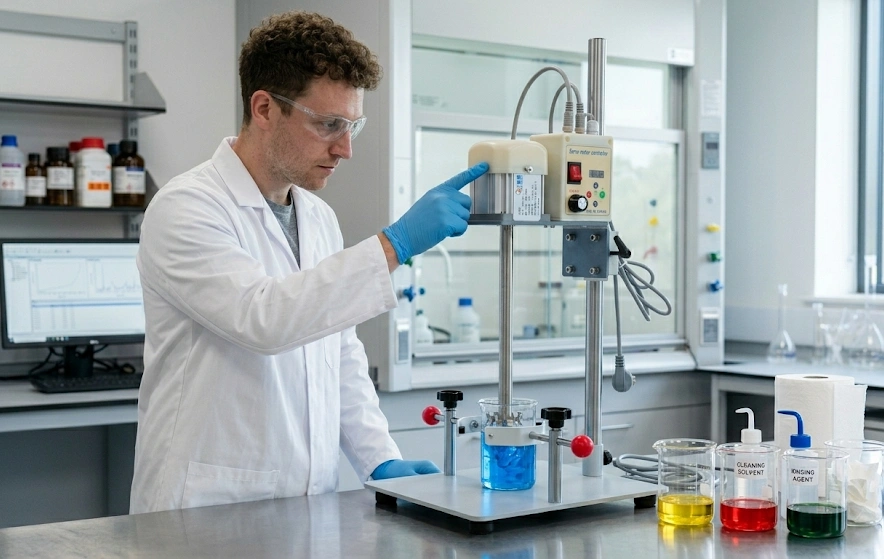
Small benchtop or desktop dispersers fix this problem. They fit right on your desk or laboratory table. They are easy to clean, quick to set up, and do not waste expensive raw materials. This makes them perfect for custom paint manufacturing.

How to Start Your Custom Paint Manufacturing Process
Making a custom batch of paint is straightforward. You just need to follow a few simple steps.
1. Get Your Formula Ready
Every great paint starts with a recipe. Choose your base liquid, your pigments, and your additives. Keep your quantities small. Since you are using a desktop machine, you can mix exactly what you need.
2. Mix the Raw Ingredients
Put your liquids into a small container. Slowly add your powder pigments. Do not rush this part. Let the powder settle into the liquid before you turn on the machine.
3. Start the Dispersing Process
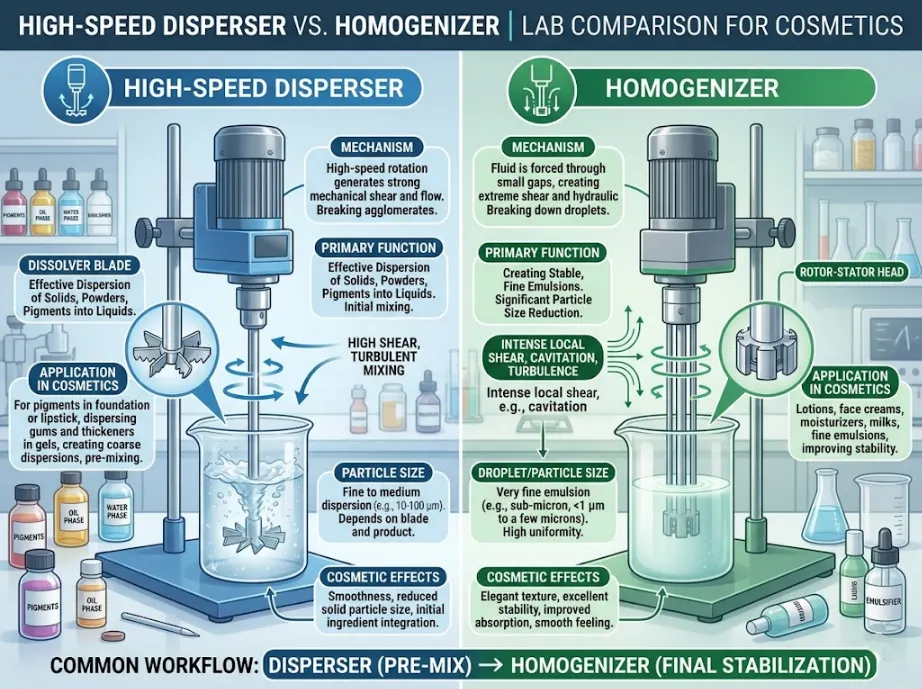
Turn on your benchtop disperser. The blade spins very fast. This action breaks down the powder clumps. It blends everything into a smooth, liquid paint. This is the heart of custom paint manufacturing.
Choosing the Right Tools for Custom Paint Manufacturing
You need the right machine to get good results. A weak mixer will leave ugly clumps in your paint. A machine that is too big will be hard to wash and will waste your ingredients.
For small batches, a high-speed desktop disperser is your best option. You can find high-quality equipment on the Yaku Mixer products page. These machines are compact but very strong.
If you are not sure which size fits your lab, read this helpful guide to selecting medium and small dispersers. It explains everything you need to know about power, blade size, and container capacity.
3 Quick Tips for Success
- Watch the temperature: Fast mixing creates heat. Too much heat can ruin your paint ingredients.
- Clean immediately: Do not let custom paint dry inside your machine. Wash the blade as soon as you finish mixing.
- Keep accurate notes: Write down the exact weight of every ingredient. If your customer loves the color, you will need to make it again.
Frequently Asked Questions
Q: Can I use a regular kitchen mixer for custom paint manufacturing?
A: No. Kitchen mixers are too slow. You need a high-speed benchtop disperser to break down pigment particles completely.
Q: How much paint can I make with a desktop machine?
A: Most small laboratory dispersers can handle batches from 1 liter up to 5 liters easily.
Q: Is it hard to clean these small dispersers?
A: No, it is very easy. Because they are small, you can clean the shaft and blade in just a few minutes with standard solvents or water.
References:
- Paint & Coatings Industry Magazine: pcimag.com
- American Coatings Association: paint.org