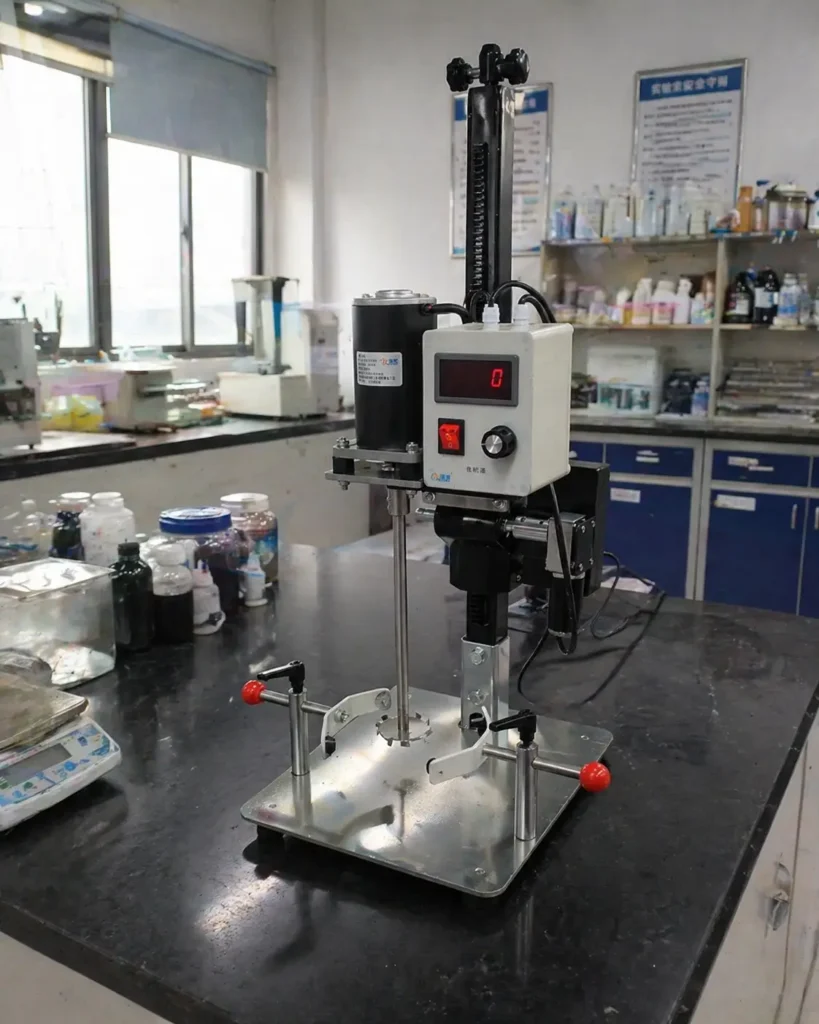
Choosing the best disperser for small batch production optimizes your manufacturing. Using oversized equipment for small runs wastes time, energy, and materials.
Precision is key for paints, cosmetics, chemicals, or pharmaceuticals. A high-shear mixer designed for smaller volumes ensures perfect, consistent blending without sacrificing quality.
Table of Contents
Why the Right Disperser Matters
Small production requires high flexibility for frequent product changes. Using the wrong equipment leads to poor particle reduction, causing lumps, fish-eyes, or uneven colors.
The best disperser for small batch production delivers precise high shear for a smooth, homogenous mix. Minimizing errors in small batches saves money and prevents wasted materials. Compare standard high-quality mixing products to find the exact size and power you need.
Key Features to Look For
Look for these three essential traits when evaluating small-batch machines:
- Variable Speed Control: Adjust RPM based on viscosity—low speeds prevent splashing, while high speeds crush tough agglomerates.
- Easy Cleaning: Quick disassembly speeds up frequent changeovers and prevents cross-contamination between batches.
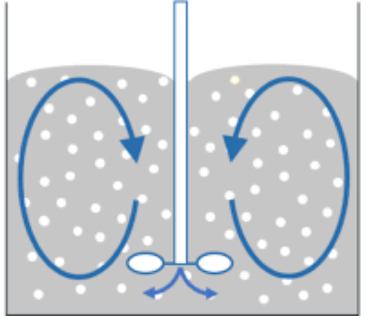
- Right-Sized Containers: The shaft and blade must perfectly fit the vessel to eliminate stagnant dead zones.
How to Make Your Selection
Select equipment based on your specific formulas and output targets, not just the lowest price.
1. Batch Volumes: Calculate your minimum and maximum volume needs. Read this guide to selecting medium and small dispersers for details on container shapes and blade speeds.

2. Viscosity: Thick pastes require high torque, not just speed, to prevent the motor from overheating.
3. Scalability: The best disperser for small batch production should seamlessly bridge the gap between lab testing and full-scale mass production.
Frequently Asked Questions (FAQ)
1. What is the best disperser for mixing high-viscosity fluids?
Use a high-torque disperser with a sawtooth blade or a multi-shaft mixer. Speed alone isn’t enough; torque is required to move heavy, thick pastes.
2. How do I prevent air entrapment?
Keep the blade at the correct depth (1 to 1.5 times the blade diameter from the tank bottom). Slowly ramp up speed using a variable drive, or utilize a vacuum-sealed system.
3. Can a lab mixer serve as a small batch disperser?
Yes, heavy-duty lab mixers can handle 5 to 10-liter batches if their motors are rated for continuous industrial use.
References
- Chemical Engineering Progress (CEP) Magazine. “Understanding High-Shear Mixing Technology.” aiche.org
- European Coatings Journal. “Principles of Pigment Dispersion in Liquid Media.” european-coatings.com