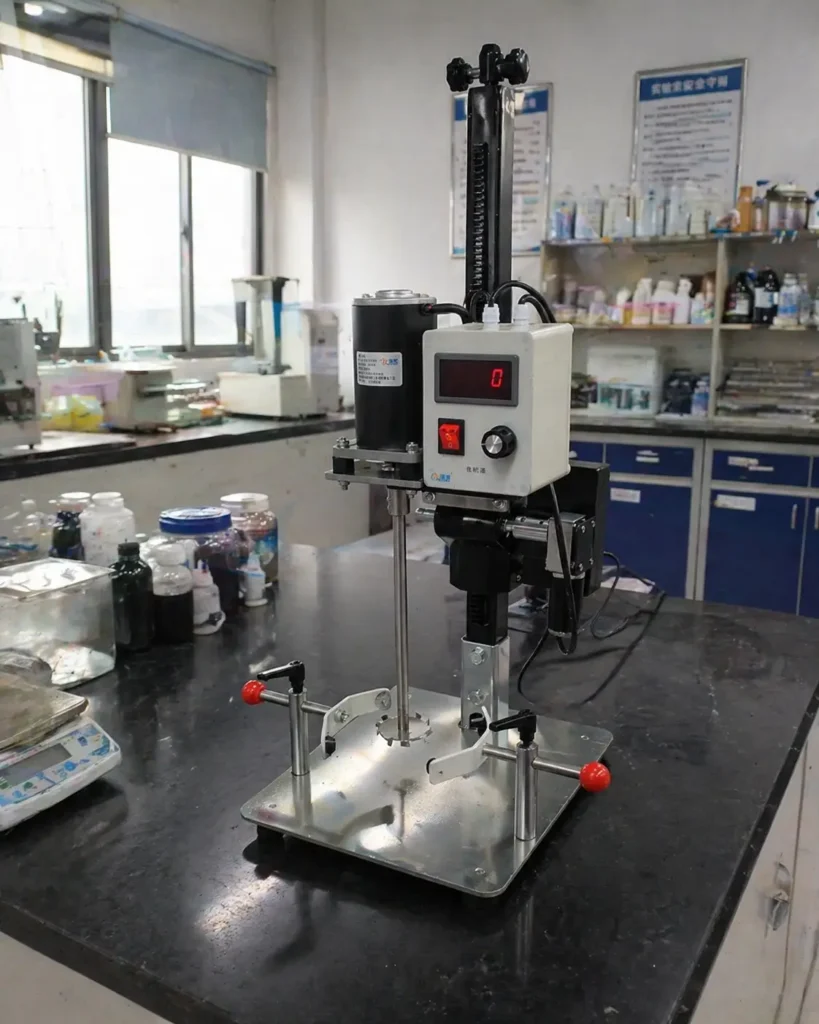
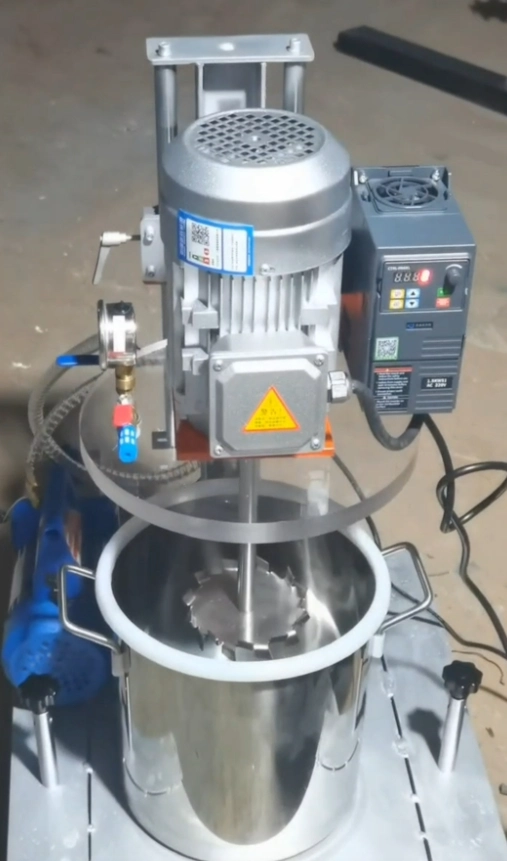
Managing epoxy resin bubbles is a critical challenge for any professional in the resin industry, as the difference between a high-end product and a rejected batch often comes down to one thing: clarity. These bubbles are not merely an aesthetic flaw; they compromise structural integrity, chemical resistance, and electrical insulation. Mastering the science of vacuum agitation is now the industry gold standard for achieving a perfectly clear, void-free finish in high-volume production.
At YAKU, we specialize in high-performance dispersing technology. In this comprehensive guide, we’ll explore why epoxy resin bubbles form and how industrial-grade vacuum dispersing is the game-changer your production line needs to stabilize quality and increase ROI.
1. Why Do Epoxy Resin Bubbles Form?
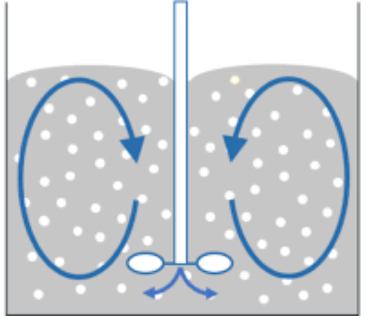
Understanding the enemy is the first step to defeating it. Epoxy resin bubbles enter the material through three primary channels, often becoming trapped by the liquid’s own molecular structure:
- Mechanical Entrainment: High-speed mixing under atmospheric pressure naturally pulls air into the liquid. With high-viscosity resins, these epoxy resin bubbles cannot escape easily because the liquid’s surface tension and internal resistance are too high for the air to migrate to the surface.
- Chemical Reactions: Some curing agents are hygroscopic and react with ambient moisture to release CO2. Additionally, the exothermic reaction (heat) causes naturally dissolved gases within the resin to expand and form visible voids.
- Substrate Outgassing: Porous molds or wooden inlays can release trapped air, causing a cluster of epoxy resin bubbles at the interface during the pouring or potting process.
2. Conventional De-aeration Methods (And Their Limits)
While many shops start with manual methods, they often hit a “scaling wall” where these techniques become the bottleneck of the entire operation:
- Heat Application: Using a heat gun can pop surface bubbles, but it fails to reach epoxy resin bubbles trapped deep within the pour and can cause localized overheating.
- Chemical Defoamers: These additives reduce surface tension. However, if not compatible, they can cause “fish-eyes” or cloudiness in the final product.
- Static Vacuum Chambers: Placing a container in a vacuum box works for small batches, but it is incredibly slow and often causes “boil-over” issues.
3. Eliminating Epoxy Resin Bubbles with Vacuum Dispersing Technology
For industrial manufacturing, the most efficient way to achieve a “zero-bubble” finish is to remove the air during the mixing process. This is where YAKU Vacuum Dispersers excel by combining mechanical agitation with atmospheric control to effectively target epoxy resin bubbles.
How it Works
By creating a negative pressure environment (up to -0.098MPa) within the mixing tank, we lower the atmospheric pressure. This causes epoxy resin bubbles to expand in volume, making them more buoyant. They migrate to the surface and burst rapidly before the resin has a chance to begin its curing cycle.
The YAKU Advantage
- High-Shear Efficiency: Our dispersers break down pigment agglomerates and resin polymers simultaneously. This ensures a perfectly homogenous blend without introducing new epoxy resin bubbles, as the entire process occurs in a sealed vacuum environment.
- Integrated Scraper Technology: High-viscosity resin tends to cling to the tank walls. Our integrated wall-scrapers ensure every drop of material is moved into the high-shear zone to eliminate any hidden epoxy resin bubbles.
- Precision Temperature Control: Since epoxy is heat-sensitive, our jacketed tanks prevent premature curing during the high-speed dispersing process.
4. The Economic Impact: Why “Zero-Bubble” Matters
Investing in vacuum technology isn’t just about aesthetics. In high-volume industries like aerospace or electronics potting, a single rejected batch due to internal epoxy resin bubbles can cost thousands of dollars. By integrating a vacuum disperser, you significantly reduce your re-work rate.
5. Choosing the Right Equipment for Your Resin
The “perfect” setup depends on your specific material and production volume. You can learn more about our specific machine configurations on our Product Categories Page.
- Low Viscosity (e.g., Coatings): Requires high-speed dispersion for rapid de-aeration of epoxy resin bubbles.
- High Viscosity (e.g., Casting & Potting): Requires a heavy-duty vacuum mixer with low-speed, high-torque agitation to pull the air out effectively.
Conclusion: Efficiency is Your Competitive Advantage
In a competitive market, reducing your “re-work” rate and shortening production cycles is vital. Moving from atmospheric mixing to YAKU Vacuum Dispersing doesn’t just improve the look of your resin—it stabilizes your entire manufacturing process.
Ready to upgrade your resin production? Explore the YAKU Vacuum Disperser Series at yakumixer.com or contact our engineering team for a customized material testing report.