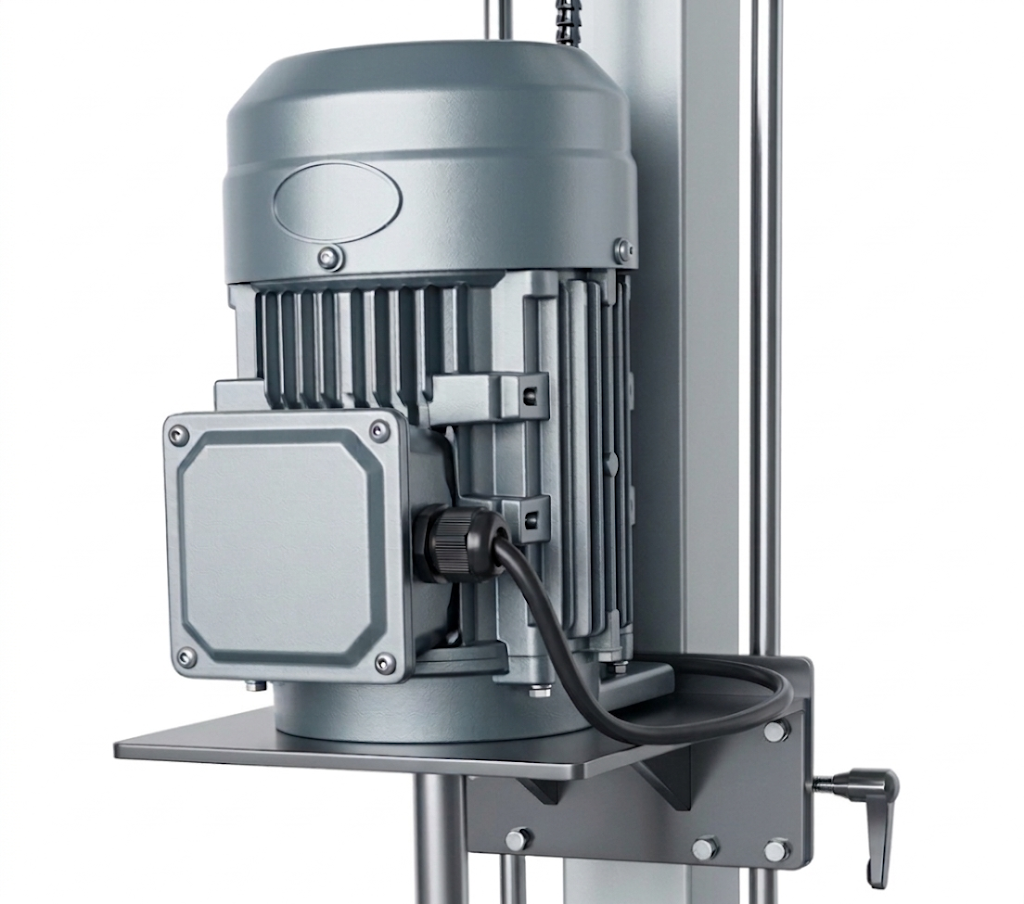
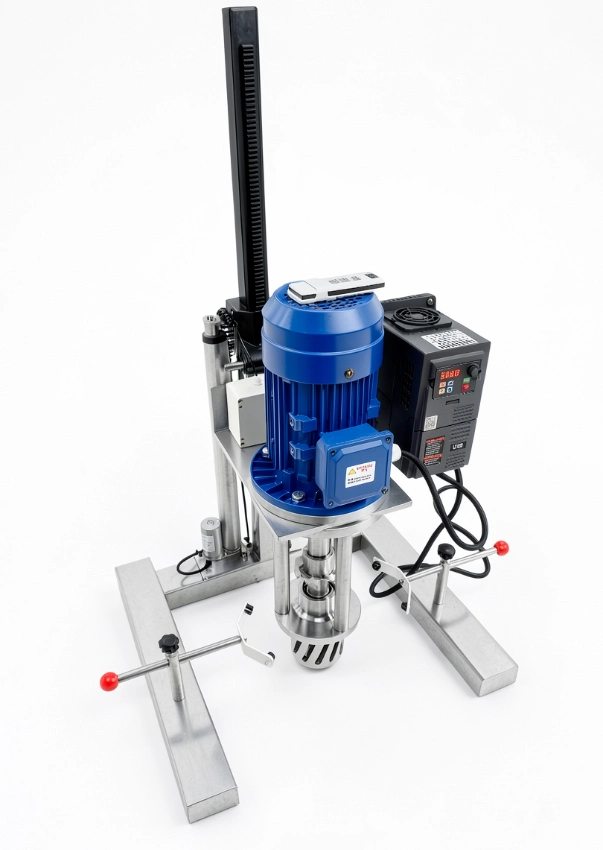
How to clean a high-speed disperser shaft is one of the most frequent questions we receive from lab technicians and production managers alike. In the mixing industry, switching between different batches of paint, ink, chemicals, or cosmetics requires spotless equipment. Residual material left on the mixing assembly not only compromises your next batch but can also cause premature wear on the mechanical seals and motor.
While traditional fixed-shaft designs often require hours of tedious scrubbing, modern industrial engineering has changed the game. Working directly as a factory-direct manufacturer, we understand these operational bottlenecks deeply. That is why we focus heavily on customizable, user-friendly designs that minimize cleaning downtime. Let’s dive into the ultimate guide on how to clean a high-speed disperser shaft efficiently and safely.
Table of Contents
- Why High-Speed Disperser Shaft Cleaning Matters
- Pre-Cleaning Preparations and Safety
- 5 Steps on How to Clean a High-Speed Disperser Shaft
- The Game-Changer: Detachable and Removable Shaft Designs
- Pro-Tips for Long-Term Shaft Maintenance
- Frequently Asked Questions (FAQ)
- References & External Resources
Why High-Speed Disperser Shaft Cleaning Matters
Failing to master how to clean a high-speed disperser shaft leads to direct financial losses. Agglomerated solids and sticky resins tend to climb up the shaft due to the high centrifugal forces generated during high-shear mixing. If left untreated, these materials harden, turning into abrasive crusts that ruin your batch color consistency, introduce unwanted particles, and unbalance the shaft alignment over time.
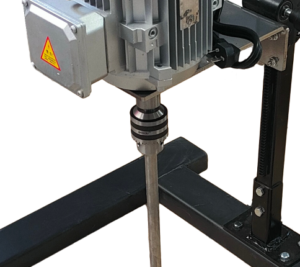
Industrial High-Shear Mixing Shaft Assembly Detail
Pre-Cleaning Preparations and Safety
Before you even touch the mixing assembly, safety must always come first. Always execute a strict Lock-Out/Tag-Out (LOTO) procedure to ensure the power supply to the motor cannot be turned on accidentally during maintenance. Ensure your operators wear appropriate personal protective equipment (PPE), including chemical-resistant gloves and safety goggles, especially if you are utilizing aggressive solvent flushes.
5 Steps on How to Clean a High-Speed Disperser Shaft
Step 1: The Preliminary Low-Speed Solvent Flush
Immediately after finishing a production run, before the product has a chance to dry or cure on the steel surface, submerge the shaft and blade into a container filled with a compatible cleaning solvent or water-detergent solution. Run the mixer at a very low speed (under 500 RPM) for 5 to 10 minutes. This utilizes the machine’s own kinetic energy to dislodge the bulk of the wet material from the lower shaft section.
Step 2: Manual Scraping of Stubborn Residues
Raise the mixing head out of the tank. Use a non-scratching scraper (such as plastic, brass, or copper) to gently remove heavy paste or build-up along the shaft body. Avoid steel putty knives, as scratching the high-polished stainless steel will create tiny crevices where bacteria and pigments can hide in future batches.
Step 3: Concentrated Scrubbing and Solvent Wipe
Soak a lint-free industrial wipe or a soft nylon brush in cleaning fluid. Scrub the entire length of the shaft, paying extra attention to the keyways, bolts, and the tight interface joint where the saw-tooth blade attaches to the bottom of the shaft. This step ensures that fine particle shadows are completely eliminated.
Step 4: Rinsing and Secondary Inspection
Rinse the shaft thoroughly with clean water or a fast-evaporating technical solvent (like Isopropyl Alcohol) to remove any remaining detergent film or dissolved residues. Wipe down with a dry cloth and inspect under good lighting to confirm a mirror-like finish is achieved.
Step 5: Drying and Protection
Allow the shaft to dry completely. If you are using standard stainless steel in highly corrosive environments, applying a light film of food-grade or process-compatible protective oil can prevent atmospheric oxidation while the machine sits idle between production campaigns.
The Game-Changer: Detachable and Removable Shaft Designs
Let’s be completely honest: cleaning a fixed, permanent shaft while it hangs awkwardly over a mixing vessel is a tedious, exhausting, and often messy job for your team. This is exactly where smart mechanical design makes a massive difference in your daily production throughput.
We manufacture a highly popular line of high-shear mixers featuring a fully detachable, removable shaft system that makes cleaning incredibly fast and easy. Instead of crawling under the machine or scrubbing in tight spaces, operators can simply unlock the quick-release coupling mechanism, slide the entire shaft and blade out, and bring it directly to a dedicated wash station or an ultrasonic cleaning bath. This design practically eliminates batch-to-batch cross-contamination risks and slashes cleaning labor times by up to 70%.
Whether you are operating high-volume manufacturing lines or flexible pilot plants, choosing the right equipment footprint is crucial. You can explore our complete range of customizable options in our dedicated industrial mixing machinery catalog. For small to medium-scale setups where rapid color turnarounds are standard practice, we highly recommend checking out our comprehensive guide to selecting medium and small dispersers to find the ideal detachable-shaft configuration for your specific workflows.
Pro-Tips for Long-Term Shaft Maintenance
- Never use abrasive steel wool: It leaves carbon steel iron particles embedded in stainless steel, which leads to rust spots.
- Inspect the runout: While performing your high-speed disperser shaft cleaning, check for any slight bending or physical warping of the shaft.
- Support customized upgrades: Every factory handles different viscosities. As a true factory-direct manufacturer, we support fully customized shaft lengths, specialized diameters, and tailor-made quick-connect designs to fit your precise plant requirements perfectly.
Frequently Asked Questions (FAQ)
Q: How often should I perform a deep clean on a high-speed disperser shaft?
Q: Can I automate how to clean a high-speed disperser shaft?
Q: What solvents are recommended for cleaning paint residues off the shaft?
Q: Does your factory support custom dimensions for replacement shafts?
References & External Resources
- Learn more about the basic physics of high-shear fluid mixing systems via the Wikipedia High-Shear Mixer Entry.
- Review general machinery safety frameworks and lock-out procedures outlined by the Occupational Safety and Health Administration (OSHA).