When searching for a used high speed disperser for sale, the initial price tag can look incredibly tempting. Whether you are running a chemical plant, a paint manufacturing line, or a cosmetic laboratory, saving thousands of dollars on industrial mixing machinery upfront sounds like a smart business move. However, buying secondhand equipment often introduces hidden headaches that can stall your production and wipe out those initial savings.
Before you commit to a pre-owned machine, it is vital to weigh the real costs of maintenance, outdated technology, and wear and tear. Let us take an honest look at why investing in a brand-new, high-performance YAKU machine is a much more reliable and cost-effective choice for your business long-term.
Table of Contents
- The Hidden Risks of a Used High Speed Disperser for Sale
- Why Brand-New YAKU Dispersers Outperform Secondhand Equipment
- The Financial Reality: Repairing vs. Buying New
- How to Select the Right Sized Disperser for Your Production
- Frequently Asked Questions (FAQs)
- References & Helpful Resources
The Hidden Risks of a Used High Speed Disperser for Sale
When browse listings for a used high speed disperser for sale, you are often looking at equipment that has already endured years of heavy stress. High speed dispersion relies on intense shear forces, which means components like bearings, hydraulic lifts, shafts, and motors naturally degrade over time.
Secondhand machines frequently come with a few major vulnerabilities:
- Fatigued Shafts and Bearings: Continuous operation at high revolutions per minute (RPM) causes microscopic structural fatigue. A worn bearing can lead to shaft misalignment, creating dangerous vibrations during operation.
- Contamination Risks: If the previous owner processed paints, inks, or harsh chemical formulas, deep-seated residues can hide inside old seals and crevices, risking cross-contamination with your batches.
- Expired Warranties: Most secondhand machinery is sold “as-is.” If the electronic speed controller or hydraulic system fails during your first week of production, you are entirely responsible for the replacement costs.
For high-precision industries, these unpredictable variables can quickly disrupt consistency and cause expensive downtime.
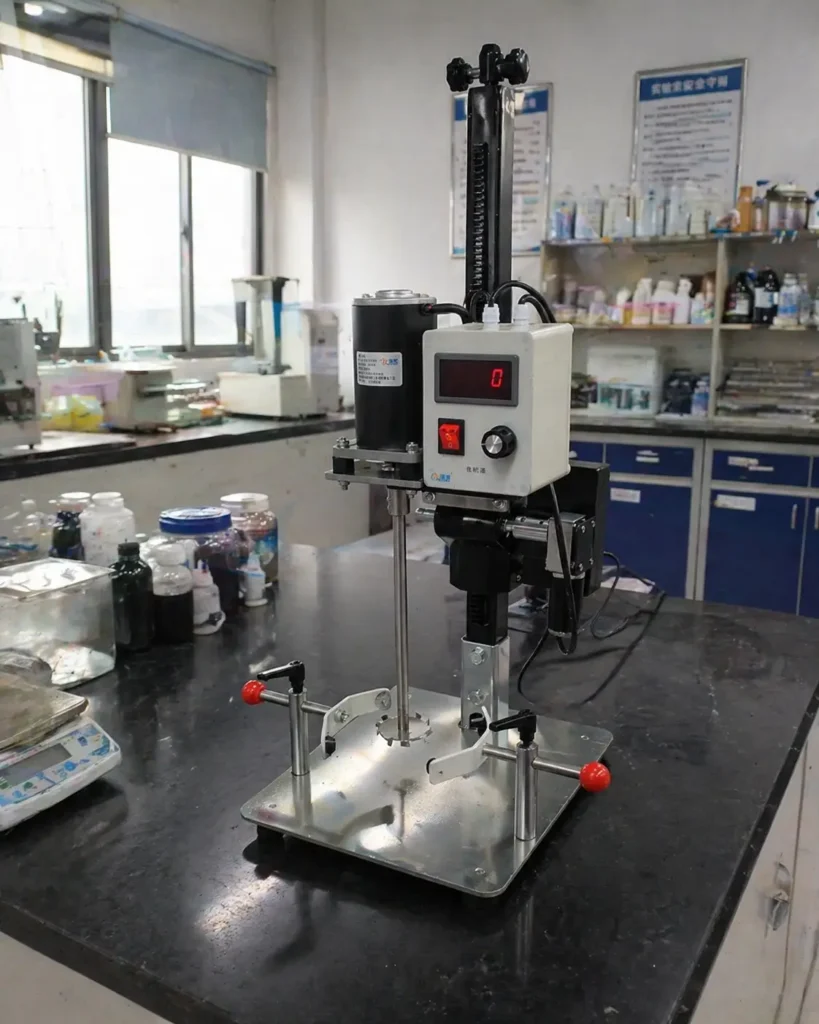
Figure 1: A modern industrial high speed disperser relies on precision balancing and heavy-duty components to deliver consistent high-shear performance.
Why Brand-New YAKU Dispersers Outperform Secondhand Equipment
Instead of inheriting someone else’s maintenance problems with a used high speed disperser for sale, choosing a brand-new YAKU industrial machine guarantees peak performance right out of the box. YAKU mixing machinery is engineered from the ground up to solve the exact pain points common in pre-owned models.
Premium Material Build
Every YAKU high-shear mixer features robust 304 or 316L brushed stainless steel contact parts. Unlike older machines that may show signs of micro-pitting or corrosion, a new YAKU machine provides an pristine, ultra-smooth surface that meets strict industrial hygiene and processing standards.
Advanced Process Control
Industrial manufacturing has evolved significantly. Older secondhand models often rely on outdated, manual speed controls that make precise batch duplication difficult. Modern YAKU machines feature state-of-the-art variable frequency drives (VFD) and digital touch-screen control panels, allowing operators to monitor RPM, torque, and processing times in real-time.
To view our full lineup of advanced industrial mixing solutions, check out our dedicated YAKU high speed disperser product collection.
The Financial Reality: Repairing vs. Buying New
At first glance, a used high speed disperser for sale might look like a great deal, but it is important to factor in the total cost of ownership (TCO). Let us compare the typical long-term expenses of both options:
| Factor | Secondhand Machine | Brand-New YAKU Machine |
|---|---|---|
| Initial Investment | Lower upfront cost | Competitive, direct-from-factory pricing |
| Component Condition | Unknown wear on bearings, seals, and motors | 100% brand-new, factory-tested parts |
| Warranty Protection | None (buyer assumes all risks) | Full manufacturer warranty and technical support |
| Energy Efficiency | Older motors consume more electricity | Modern energy-efficient motors reduce utility bills |
| Downtime Risk | High risk of sudden part failures | Minimal risk, engineered for long-term durability |
When you add up the costs of sourcing rare replacement parts for obsolete models, paying for emergency technician calls, and dealing with lost production time, the financial advantage of a used machine often disappears within the first year.
How to Select the Right Sized Disperser for Your Production
Sizing your equipment correctly is just as important as ensuring its reliability. Many buyers looking for a used high speed disperser for sale end up settling for a machine that is either too large or too small for their actual workflow, simply because it was the only secondhand option available at the time.
An incorrectly sized machine can cause poor product quality, insufficient shear forces, or motor strain. To help you evaluate your volume requirements and choose the ideal equipment configuration, we have created a comprehensive guide to selecting medium and small dispersers.
By investing in a new machine tailored to your exact manufacturing needs, you ensure your motor operates within its ideal efficiency range, which extends the lifespan of the equipment and keeps your product quality consistent.
Frequently Asked Questions (FAQs)
1. Why is the blade condition so critical on a high speed disperser?
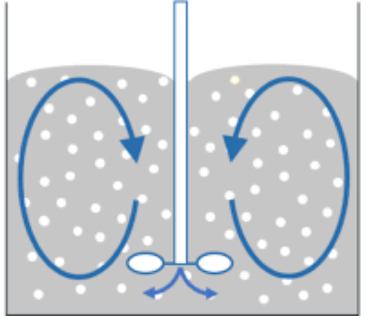
The cowles-style blade is responsible for creating a proper vortex and generating the necessary high-shear forces to break down agglomerates. On a used high speed disperser for sale, the blade teeth are often worn down, which severely reduces mixing efficiency and lengthens batch cycle times.
2. Can I get custom modifications on a YAKU disperser?
Yes. Unlike a fixed secondhand machine, a new YAKU disperser can be tailored to your specific application. This includes custom tank clamping systems, explosion-proof (XP) motors for solvent-based environments, and specialized lift mechanisms.
3. Is it difficult to find replacement parts for older, secondhand mixers?
Often, yes. If a manufacturer goes out of business or discontinues an older line, finding compatible seals, shafts, or electronic components can become incredibly difficult. YAKU ensures a reliable supply chain of standard parts to keep your production running smoothly.
References & Helpful Resources
- Learn more about the fundamentals of high-shear fluid mixing at the ScienceDirect Digital Library.
- Review global industrial safety standards for mixing machinery on the official Occupational Safety and Health Administration (OSHA) website.
- Browse technical engineering discussions on fluid dynamics via the American Society of Mechanical Engineers (ASME) portal.