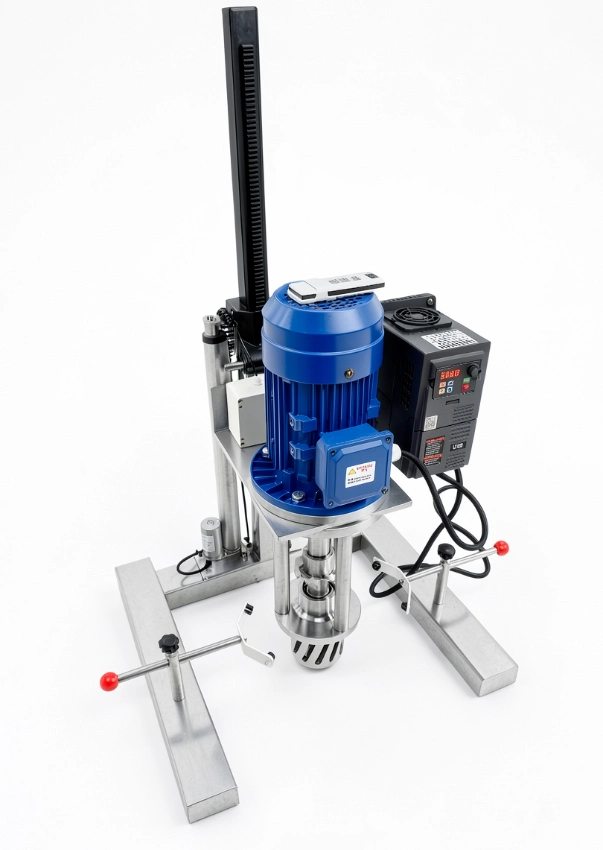
For businesses planning to purchase a small to medium-sized high-speed disperser, the initial inquiry phase often reveals a confusing reality: market quotes can range from a few thousand dollars to tens of thousands.
Why do machines that look nearly identical on the outside have such drastic price differences? As a source manufacturer with years of export experience, we have compiled this in-depth price guide to help you identify the core value behind a quote and avoid the “low-price trap.”
1. Motor Performance and Brand Origin
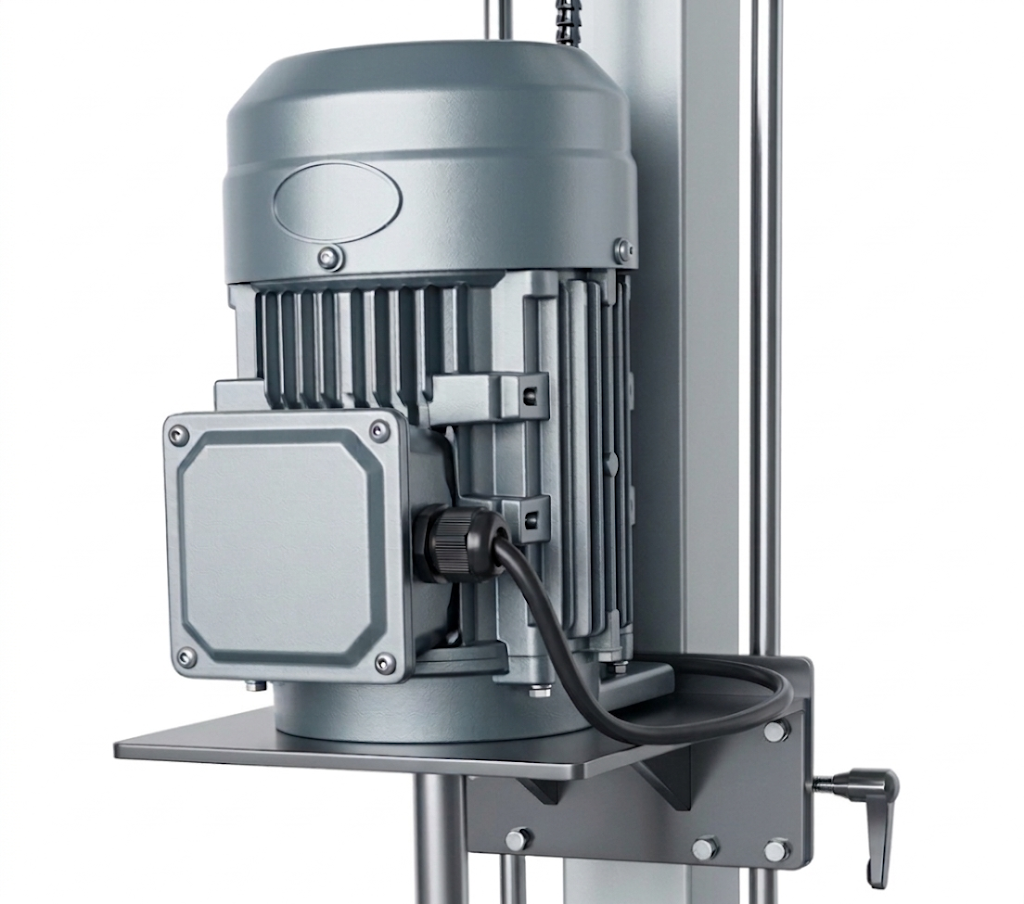
The motor is the heart of the disperser. For small to medium models, power usually ranges from 1.5kW to 15kW.
- Brand Premium: Motors from international brands (like ABB or Siemens) or top-tier domestic manufacturers offer better energy efficiency and longevity, typically costing 20-30% more than generic brands.
- Explosion-Proof Ratings: If your production involves flammable solvents, an Explosion-proof Motor (Ex-proof) is a mandatory requirement. These motors can double or triple the cost of a standard motor, significantly impacting the final quote.
2. Speed Control Systems & Inverter Technology
Efficiency in dispersing depends on precise speed management.
- Variable Frequency Drive (VFD): Modern dispersers use VFDs for speed regulation. Using high-quality inverters (such as Schneider or Delta) ensures stability under low-speed torque and reduces motor heat.
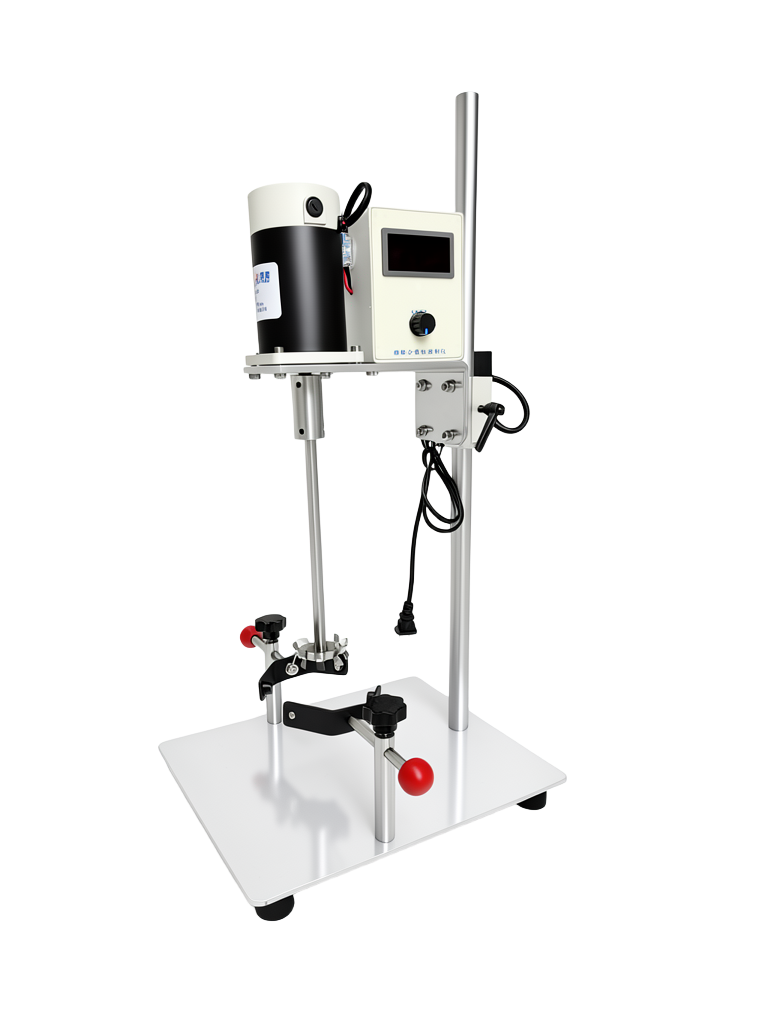
- Control Interface: A simple manual knob vs. a PLC touch screen with digital RPM display, timers, and temperature monitoring creates a noticeable difference in production cost.
3. Material of Construction: SS304 vs. SS316L
The parts in contact with your product determine the machine’s corrosion resistance and lifespan.
- SS304: Suitable for most chemical coatings and inks.
- SS316L: Required for highly corrosive materials, pharmaceuticals, or food-grade applications. It generally costs 15-25% more than SS304.
- Surface Finish: High-degree Mirror Polishing requires more labor hours than standard sandblasting, which is reflected in the premium pricing of high-end models.
4. Lifting Mechanism: Manual vs. Hydraulic
Small and medium dispersers need a lifting function to swap mixing tanks easily:
- Manual/Electric Lift: The most cost-effective solution, ideal for lab-scale or light-duty equipment.
- Hydraulic Lift: Offers the smoothest movement and highest load capacity. While it carries a higher price tag, it is the preferred choice for industrial lines prioritizing safety and efficiency.
5. Vacuum Capabilities & Customization
- Atmospheric vs. Vacuum Type: If your process requires de-aeration (removing bubbles), a Vacuum Disperser is necessary. This requires reinforced tank walls and high-precision mechanical seals, which significantly increases the price compared to open-type mixers.
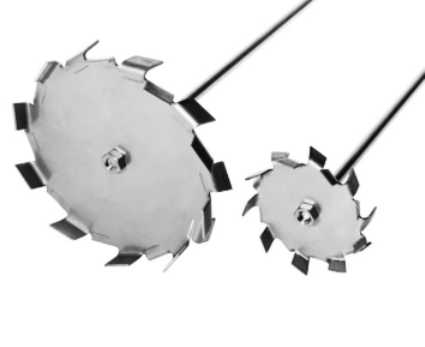
- Custom Impellers: Specialty dispersing discs designed for high-viscosity materials will also slightly adjust the quote.
6. Certifications and After-Sales Support
A professional B2B quote includes “invisible insurance”:
- International Standards: Machines that are CE Certified adhere to strict electrical wiring and physical safety protocols.
- Spare Parts Package: Quality suppliers often include a set of wear parts (like belts and seals) in the initial price to prevent future downtime.
Pro Tip: How to Get an Accurate Quote?
To help a manufacturer provide the most logical proposal, ensure you provide the following details during your inquiry:
- Material Viscosity (e.g., 10,000 cps)
- Batch Volume (e.g., 50L – 200L)
- Working Environment (Is explosion-proofing required?)
- Final Application (Coatings, lab R&D, or cosmetics?)
Why Choose YAKU Mixer for Your Equipment?
As a dedicated manufacturer of small to medium high-speed dispersers, we don’t just offer competitive pricing—we provide reliability backed by ISO/CE certification. Our equipment is exported worldwide, helping clients find the perfect balance between high performance and budget management.
Need the latest product catalog or a customized quote? [Contact Our Engineering Team Today]