Table of Contents
An industrial food mixer is often the unsung hero of any successful large-scale culinary operation. Whether you are running a bustling bakery, a commercial kitchen, or a massive food production plant, relying on manual labor or undersized equipment is a recipe for inconsistency and burnout.
Let’s face it: scaling up food production is tough. You have to maintain the exact same flavor and texture profile in a 100-gallon batch as you do in a single-serve portion. That is exactly where upgrading your mixing equipment bridges the gap between struggling to meet demand and easily fulfilling massive orders.
Why an Industrial Food Mixer is a Game-Changer for Your Business
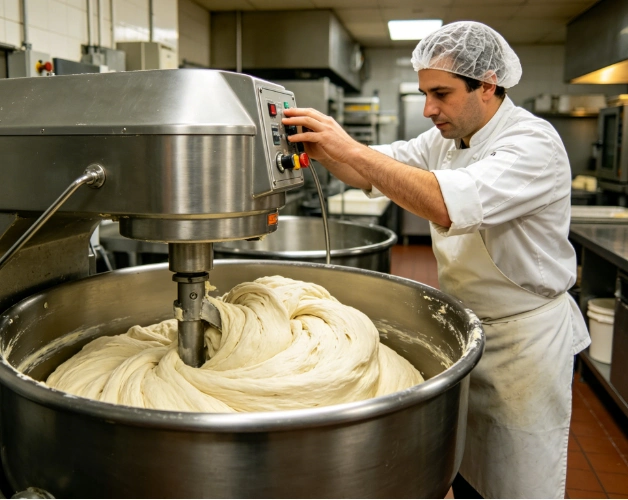
When you transition from standard commercial mixers to truly industrial-grade machinery, the first thing you notice is the sheer torque. These machines aren’t just built to stir; they are engineered to power through the heaviest doughs and most viscous sauces without the motor breaking a sweat.
By automating the most labor-intensive part of food prep, you drastically cut down on labor costs. Moreover, you eliminate the human error that leads to unevenly mixed batches. A perfectly blended batch means less wasted product and happier, returning customers.
Understanding the Core Mechanics of an Industrial Food Mixer
At their core, these heavy-duty machines rely on precision-engineered agitators and powerful drive systems. The agitator moves systematically through the mixing bowl, ensuring every single particle is integrated. Depending on your product, the mechanics will vary, but the goal remains the same: a homogenous blend achieved in a fraction of the time.
Top 3 Types of Industrial Food Mixers You Should Know
Not all mixing equipment is created equal. Finding the right fit requires understanding what is available on the market. If you are looking to explore a comprehensive range of industrial mixing solutions, you’ll quickly realize that different foods require completely different mixing actions.
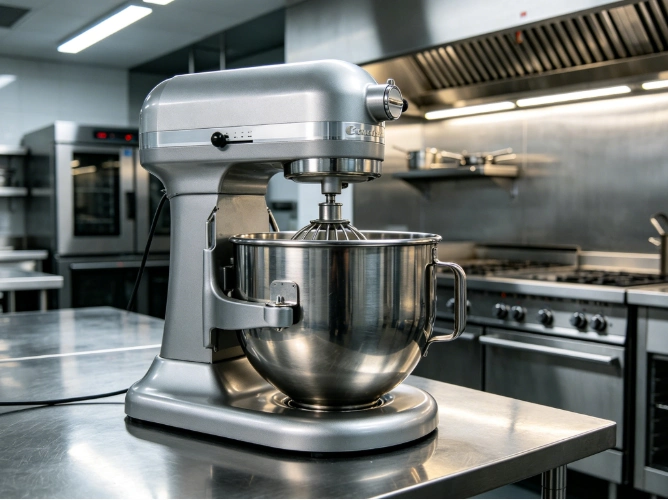
1. Planetary Mixers: These are the most common versatile workhorses. The agitator turns on an offset shaft while the mixing bowl remains stationary. They are perfect for bakeries handling doughs, batters, and frostings.
2. Ribbon Blenders: Ideal for dry ingredients. If your facility produces spice rubs, baking mixes, or protein powders, the ribbon blender’s unique helical blades gently fold dry goods together perfectly.
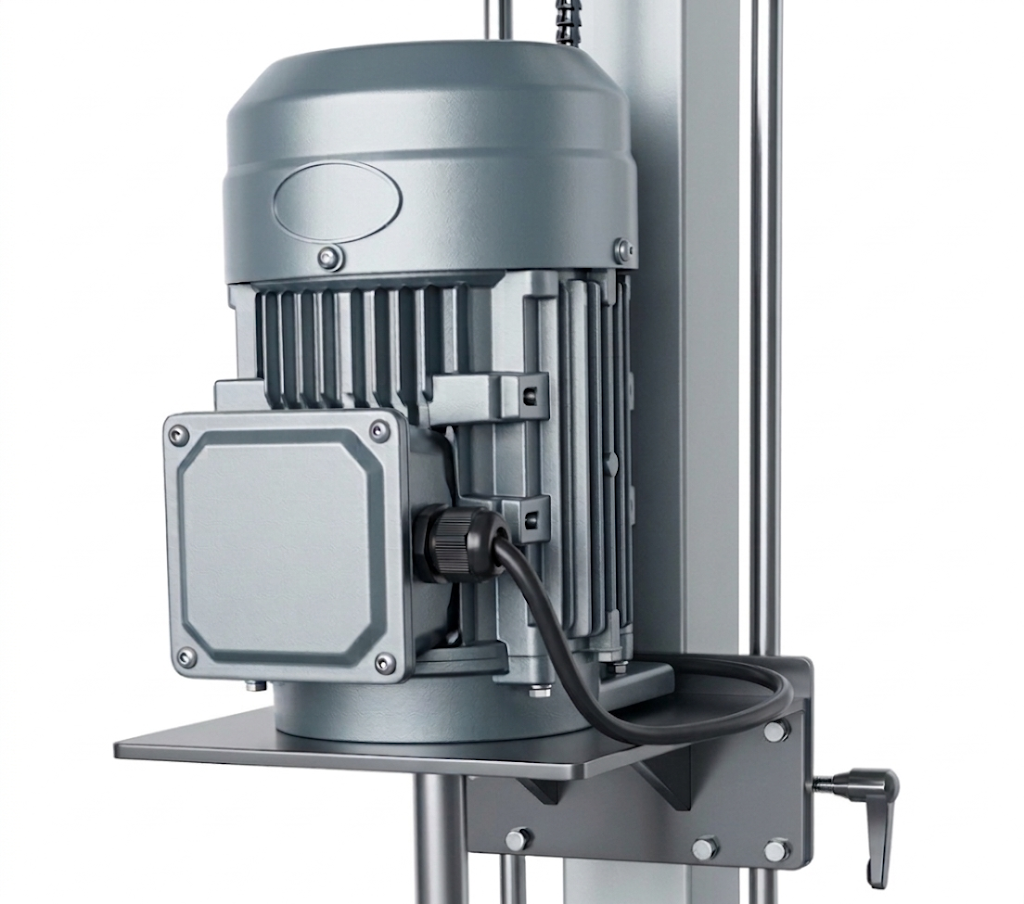
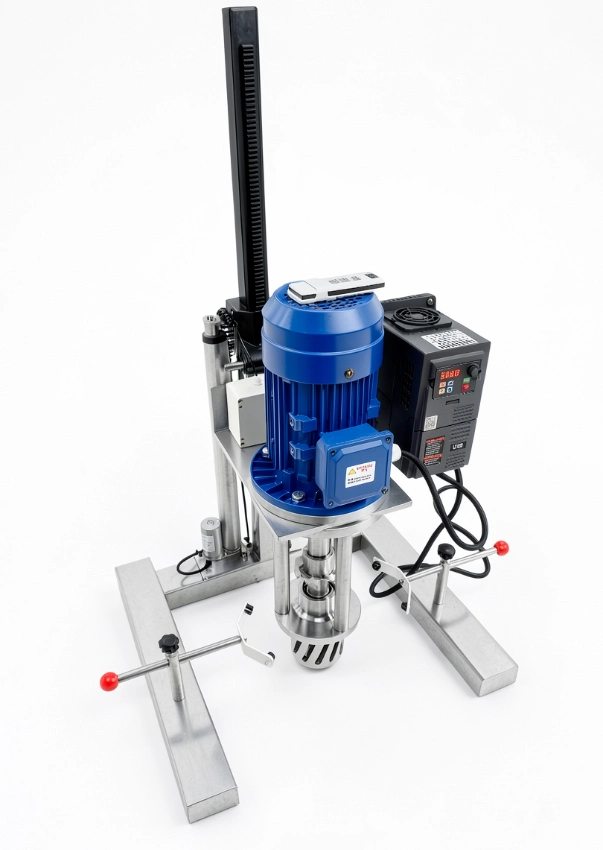
3. High-Speed Dispersers: Sometimes, standard stirring just won’t cut it. For sauces, dressings, or liquid emulsions that require breaking down solid particles into a smooth liquid, you need high shear force. Implementing equipment like a Cowles disperser is critical for these applications, as the specialized blade easily shears and disperses ingredients that would otherwise clump.
How to Choose the Best Industrial Food Mixer for Your Needs
Buying this kind of machinery is a significant investment. You shouldn’t just buy the biggest machine you can afford; you need to buy the smartest machine for your specific workflow.
First, evaluate your product’s viscosity. Bread dough requires a completely different torque profile than a thin salad dressing. Second, consider the physical footprint of your kitchen. Can your floors support the weight? Do you have the proper electrical phase wiring installed?
Matching Your Industrial Food Mixer to Your Batch Size
Capacity is arguably the most crucial factor. If you buy a mixer that is too small, you’ll overwork the motor and void the warranty. If you buy one that is too large for your average batch, the agitator won’t engage the ingredients properly. Always calculate your maximum realistic yield per hour before making a purchase.
Maintenance Tips for Longevity
Even the most rugged machinery needs care. To ensure your equipment lasts for decades, establish a strict daily cleaning protocol. Food residue left on shafts or seals can harden and cause mechanical failures over time.
Routinely inspect the belts, gears, and lubrication points. According to general commercial food processing standards, preventative maintenance not only extends the life of the machine but also keeps you compliant with health and safety regulations.
Frequently Asked Questions (FAQ)
Q1: How long does an industrial food mixer typically last?
With proper daily cleaning and scheduled maintenance, a high-quality machine can easily last 15 to 20 years. Replacing wear-and-tear parts like belts and seals promptly is key.
Q2: Can one mixer handle both dry powders and thick doughs?
While planetary models offer interchangeable attachments (like whips, paddles, and dough hooks), they have limits. For extreme differences—like fine spice blending versus heavy bread dough—it is usually better to have dedicated machines like a ribbon blender and a spiral mixer.
Q3: Are they difficult to clean?
Most modern units are built with sanitation in mind, utilizing food-grade stainless steel that resists corrosion. Many feature removable bowls and agitators that can be taken straight to the washing station, making the process highly efficient.
References
- Wikipedia Contributors. (2023). Industrial Mixer. Wikipedia, The Free Encyclopedia.
- Food Safety Magazine. (2022). Best Practices for Equipment Sanitation in Commercial Facilities.