Table of Contents
Finding the right lab mixer for epoxy resin can be a frustrating process for laboratory technicians and product developers. Working with raw epoxy resins means dealing with stubborn, high-viscosity fluids that resist flow and quickly heat up under shear. If your laboratory equipment lacks the mechanical muscle, you will likely end up with incomplete dispersion, trapped air bubbles, or worse—a burnt-out motor halfway through your formulation test.
To consistently achieve a flawless, homogenous blend without ruining your equipment, you need a machine specifically engineered for heavy-duty performance. Let’s dive into what makes a high-speed lab disperser truly capable of handling tough resin formulations.
The High-Viscosity Challenge of Epoxy Resin
Epoxy resins are widely prized for their excellent adhesive properties, chemical resistance, and mechanical strength. However, in a laboratory setting, their high baseline viscosity presents massive challenges during the R&D phase. When you introduce functional fillers, pigments, or flame retardants, the mixture thickens exponentially.
Standard laboratory stirrers often fail here. They might spin fast in water or light oils, but the moment they hit a thick polymer base, their speed drops drastically. This is why selecting a dedicated, high-torque lab mixer for epoxy resin is essential for accurate, repeatable scaling.
Why Torque and Motor Durability Matter Most
When evaluating high-speed dispersers, many buyers make the mistake of looking only at the maximum RPM (revolutions per minute). While a high tip speed is vital for breaking down agglomerates, RPM alone means nothing if the motor cannot maintain that speed under a heavy load.
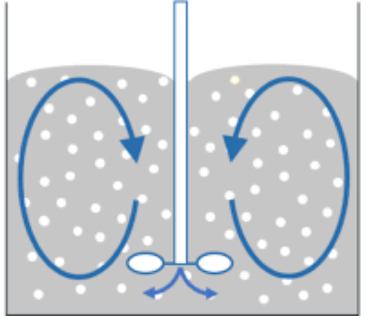
Torque is the true measure of a mixer’s power. It is the rotational force that allows the dispersing blade to cut through thick, stubborn polymers without bogging down.
Equally important is motor durability. Running a high-viscosity batch for 30 to 60 minutes generates massive resistance, which translates into heat inside the motor housing. Cheap laboratory mixers lack adequate thermal protection or robust brush designs, leading to premature motor failure. A premium industrial-grade lab mixer utilizes brushless DC motors or high-efficiency AC induction motors with independent cooling fans to ensure continuous, worry-free operation.
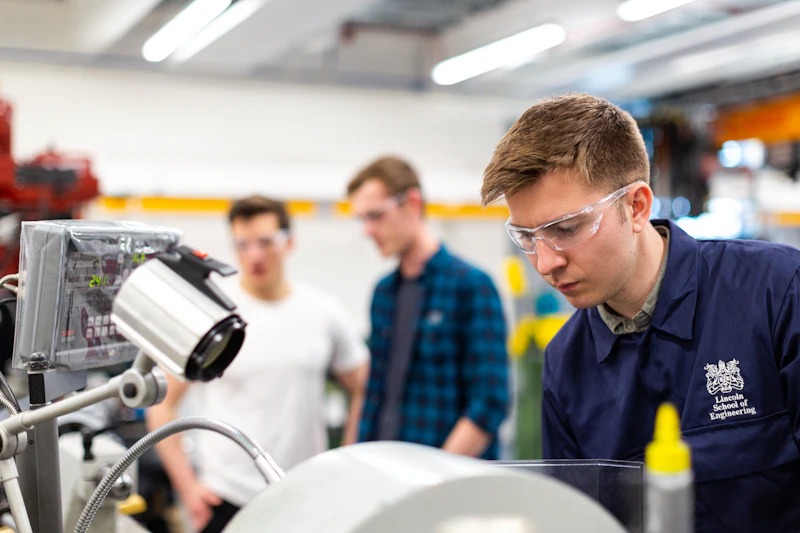
Figure 1: High-torque laboratory dispersers maintain stable RPM under heavy viscosity loads.
Key Features of the Best Lab Mixer for Epoxy Resin
If you want a machine that delivers flawless results year after year, look for the following engineering specifications:
- Constant Speed Control: The motor controller should automatically adjust power output to maintain your set RPM as the mixture thickens.
- Premium Dissolver Blades: High-shear sawtooth blades made from rugged 316L stainless steel are mandatory to withstand abrasive fillers.
- Electric Lift Mechanisms: Manually adjusting a heavy mixing head out of a sticky resin batch is messy and unsafe. Electric lifts provide smooth, effortless control.
For a deeper dive into choosing the right size and power rating for your specific lab space, feel free to read our comprehensive guide to selecting medium and small dispersers.
Our Top Recommended Lab Dispersing Equipment
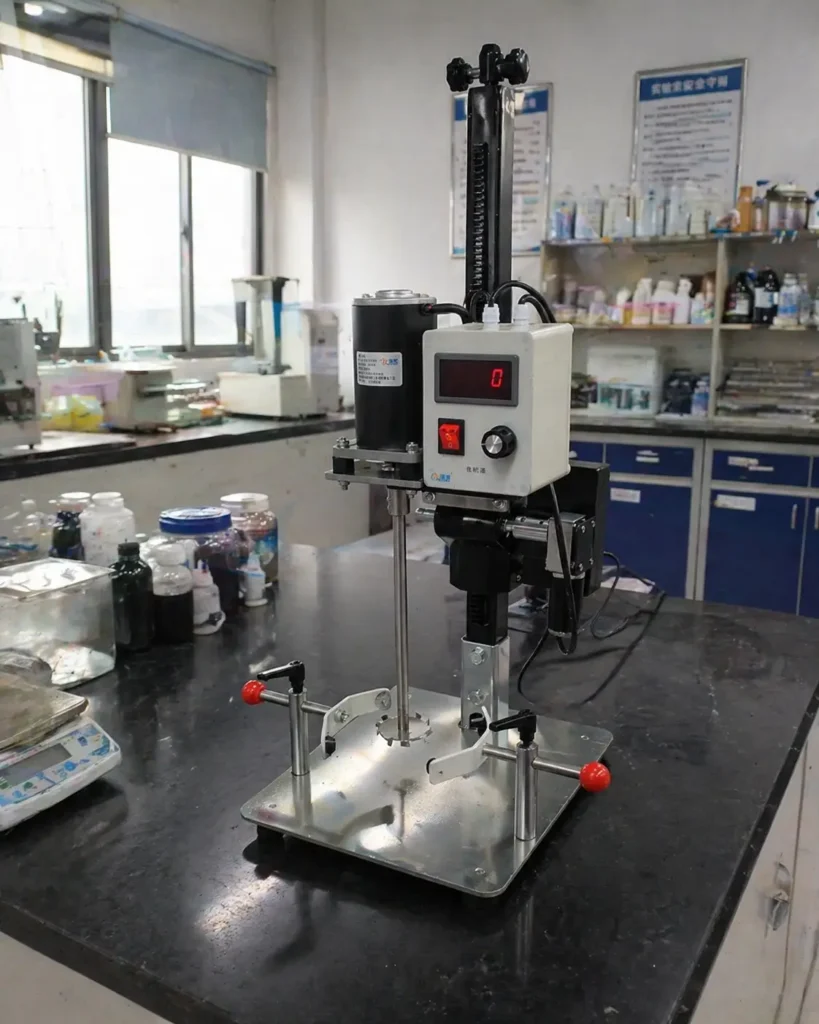
At YAKU Mixing Technology, we design our laboratory equipment with the exact same philosophy as our massive production-scale plants: uncompromising torque and structural durability. Our laboratory units do not use flimsy consumer-grade electronics. Instead, they feature heavy, cast-iron or thick steel pillars, industrial inverter drives, and high-torque motors built to run 24/7.
Whether you need a compact benchtop model for quick 1-liter color matching or a sealed vacuum model to completely eliminate micro-bubbles from your polymer matrix, we have a solution engineered for you. You can browse our complete lineup of high-performance machinery directly on our products collection page.
Frequently Asked Questions
1. Why does my current laboratory mixer slow down when adding fillers to epoxy?
Your current device likely lacks sufficient torque or a constant-speed feedback loop. When viscosity rises, resistance increases, causing standard motors to bog down and lose their shearing efficiency.
2. Can a high-torque lab mixer for epoxy resin prevent air bubbles?
A high-torque mixer ensures consistent shearing, but high-speed mixing inherently introduces some air into open containers. To completely eliminate bubbles in high-viscosity formulations, we highly recommend using a vacuum-sealed laboratory disperser.
3. What speed is ideal for dispersing pigments into resin?
Generally, a peripheral tip speed of 15 to 25 meters per second is ideal for solid-liquid dispersion. Depending on your blade diameter, this usually translates to roughly 3,000 to 6,000 RPM.
References
- ScienceDirect: Understanding Epoxy Resin Viscosity and Rheology
- National Institute of Standards and Technology (NIST) – Polymer Research Division