Why it sticks together, and the simple fix small producers use.
You sprinkle bentonite into water, and it turns into rubbery little balls almost right away. Break one open, and there’s dry powder still stuck in the middle.
This trips up almost everyone the first time. The clumping isn’t a sign of bad material. It’s a sign the powder never got a fair chance to wet properly.
Why Bentonite Clumps So Easily
Bentonite swells fast when it touches water. But particles that are only partly wet actually pull toward each other and stick, almost like raw clay does in your hands.
So if you dump powder into still water, or worse, pour water onto a pile of dry powder, you get a wall of half-wet particles sticking to each other before the water can reach the center. Stirring after that just presses the lumps together tighter instead of breaking them apart.
The Order You Add Things Matters More Than the Stirring
The fix isn’t stirring harder. It’s changing how the powder meets the water in the first place.
- Always add powder into water, never water into powder. This one habit alone prevents most clumping.
- Start mixing before you add any powder. Bentonite added to still water tends to sit and clump on the surface.
- Sift it in slowly, a little at a time. Dumping a large amount in at once overwhelms the water right at that spot, and clumps form before the mixing action can reach them.
Why Strong Mixing Speeds This Up
Left alone in still water, bentonite can take hours, sometimes days, to fully swell and hydrate on its own. Most small producers don’t have that kind of time in their production schedule.
A strong, fast-moving vortex spreads the powder out thin the moment it enters the water. Less chance for particles to stick to each other, and much faster hydration overall. This is the same reason a high-speed disperser handles bentonite far more reliably than hand mixing or a slow paddle mixer.
Bentonite also thickens as it sits and thins out again once it’s moving, so a batch that looked done can seem to change texture depending on whether it’s resting or being stirred. This is normal behavior for this material, not a sign of a mixing mistake.
Where This Shows Up Most Often
- Paints and coatings: used to keep pigment suspended and prevent settling in the can
- Adhesives and sealants: used to control thickness and stop ingredients from separating
- Cosmetics and personal care: used in masks and skincare pastes, where a smooth, lump-free texture matters most
If settling in the can is your main concern rather than clumping during mixing, this guide on preventing settling covers that side of the problem in more depth.
Setup for Small-Batch Production
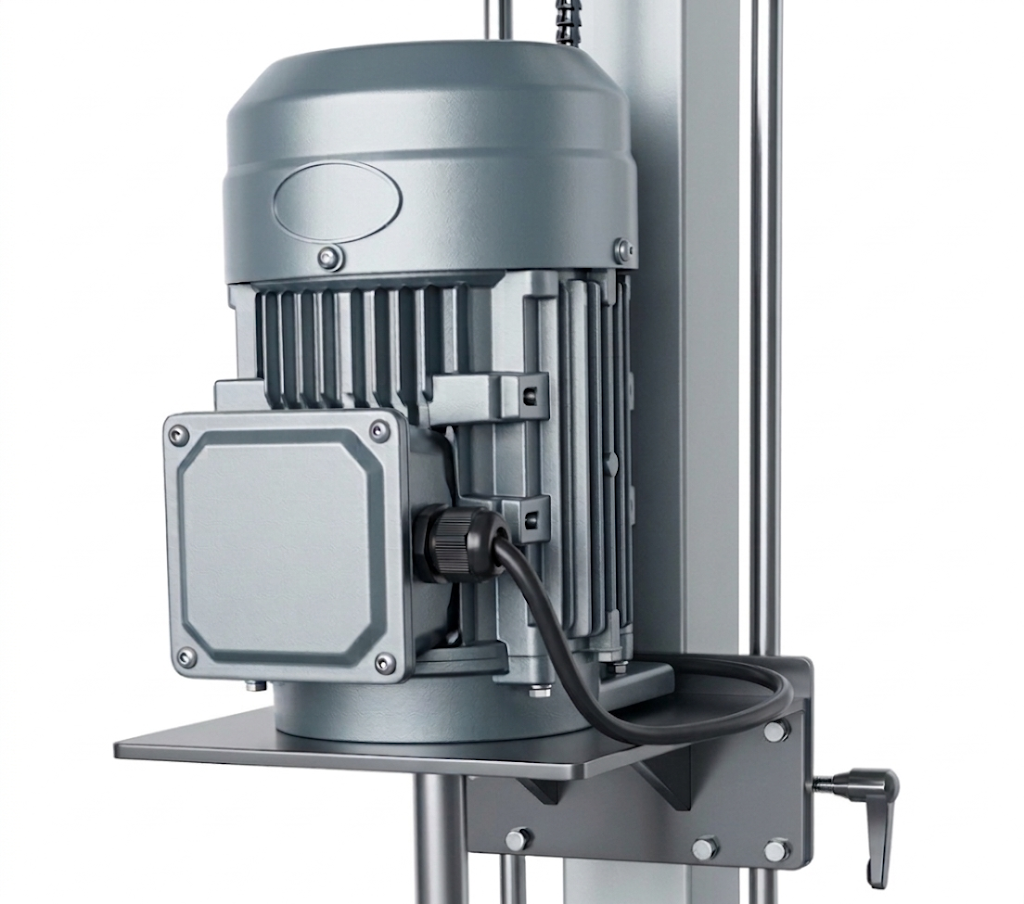
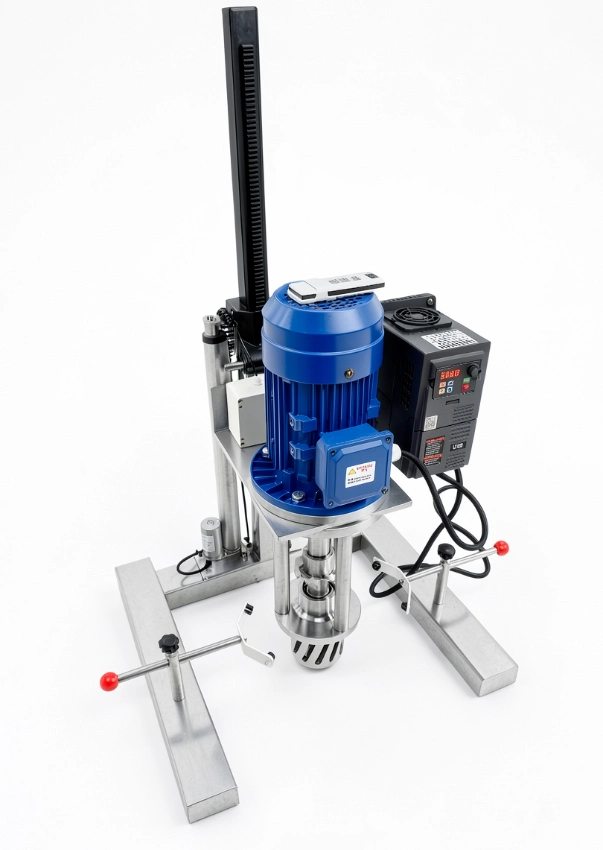
You don’t need a large industrial mixing rig for this. A variable-speed disperser sized to your batch, with the right blade for a thick, swelling material, handles bentonite well for most small production runs.
A digital display helps you repeat the same speed and mixing time every batch, so hydration doesn’t vary depending on who’s running the machine that day.
If you’re not sure what size or blade fits your batch volume, this sizing guide can help you match the right model before you buy.
Common Questions
Can bentonite clay be mixed directly into water?
Yes, but the order matters. Sift the powder slowly into moving water, not the other way around. Adding water to a pile of dry powder is one of the most common causes of clumping.
Why does bentonite clump even when I stir it?
Bentonite particles that are only partly wet attract each other and stick together, similar to raw clay. Stirring a pile of half-wet powder just presses those particles closer instead of separating them.
How long does bentonite take to fully hydrate?
It depends on the grade and how well it was dispersed going in. A well-dispersed batch under continuous mixing can hydrate in well under an hour, while an unmixed or poorly dispersed batch can take hours or even days.
Can a high-speed disperser mix bentonite clay?
Yes. A high-speed disperser creates a strong vortex that pulls the powder in and spreads it thin, which is exactly what bentonite needs to hydrate evenly without clumping.
Small Wrap-Up
Bentonite clumps because of how it’s added, not because it’s a difficult material. Powder into moving water, added slowly, with enough mixing strength to spread it out fast, solves the problem almost every time.
Working with bentonite in your paint, adhesive, or cosmetic batches? Send us your batch size and recipe, and we’ll help you find a setup that hydrates it smoothly every time.