
LABORATORY · PILOT · SMALL-BATCH PRODUCTION
High-Speed Dispersers Matched to Your Material and Batch Size
YAKU supplies compact high-speed dispersers for formulation development, laboratory testing, pilot trials and small-batch production. Available models include digital laboratory machines, manual-lift dispersers and electric-lift configurations.
Send us your material, viscosity, minimum and maximum batch volume, vessel dimensions, voltage and safety requirements. We will help you compare the appropriate models and prepare a relevant quotation.
What Is a High-Speed Disperser Used For?
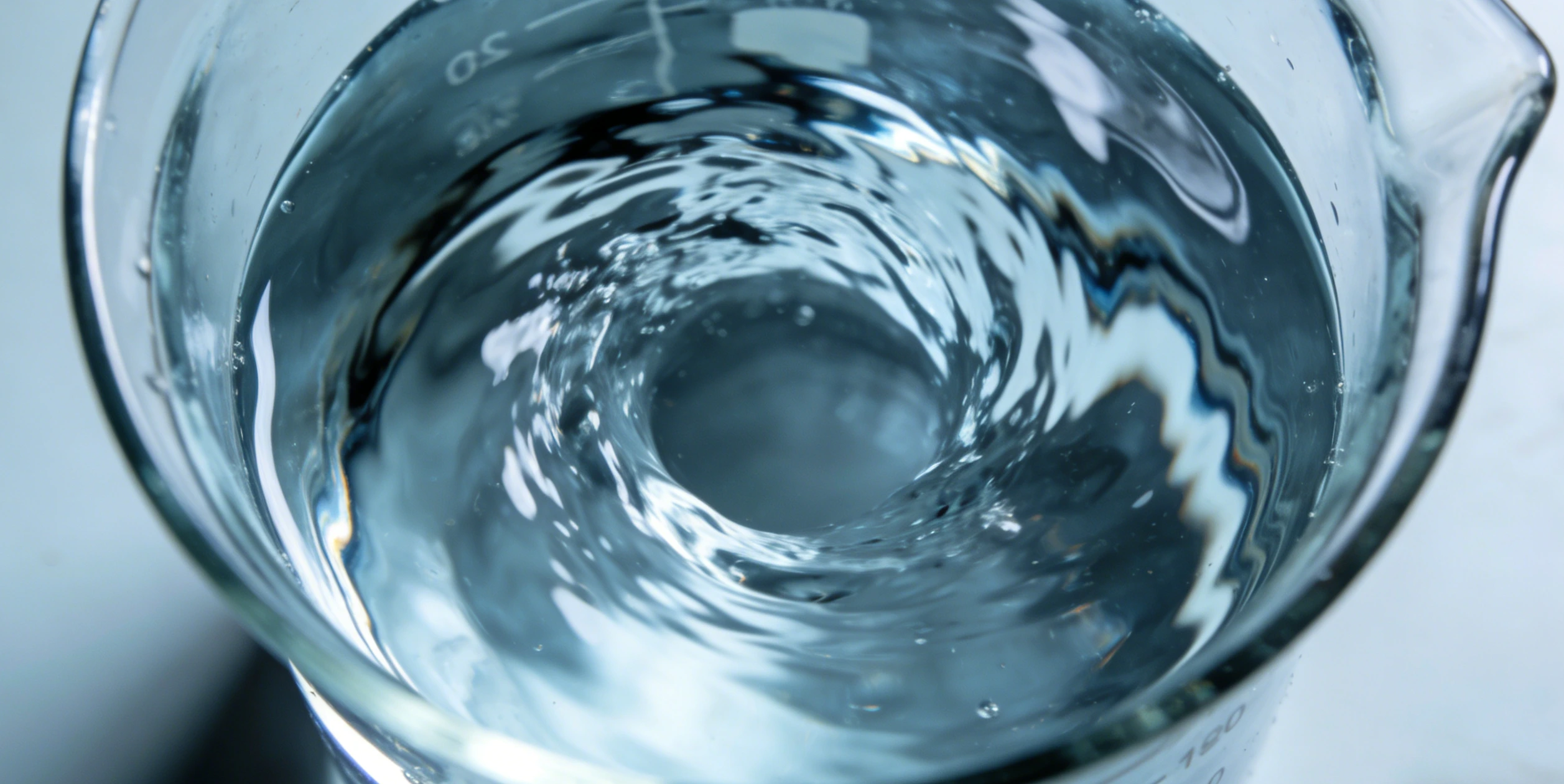
A high-speed disperser uses a rapidly rotating dispersing disc to create circulation and shear in a liquid batch. It is commonly used to wet powders, distribute pigments and fillers, break soft agglomerates and prepare a uniform premix.
Typical applications include paints, coatings, inks, pigments, resins, adhesives, emulsions, cosmetic samples and chemical liquids. The correct machine depends on the actual process rather than the industry name alone.
A disperser is not automatically a substitute for every mixer, homogenizer or milling machine. Very high-viscosity materials may require additional low-speed mixing, while applications requiring fine particle grinding may need a bead mill or sand mill after the initial dispersion stage.
For help comparing equipment principles, read our disperser, mixer and homogenizer comparison guide.
Compare YAKU High-Speed Disperser Models
The following specifications are based on current product pages. Capacity is viscosity-dependent, and the final working range must be confirmed using your actual material and vessel.
| Model | Motor | Speed Range | Listed Capacity | Lifting / Control |
|---|---|---|---|---|
| YKFS-350 Digital | 350 W | 0–4,000 rpm | Up to 5 L, depending on viscosity | Digital speed control, compact lift stand |
| FS-750 | 750 W | Up to 6,500 rpm | Confirm for the actual material | Manual crank lift, variable speed |
| YKFS-1.1 Manual Lift | 1.1 kW | 0–3,000 rpm | Up to 25 L, depending on viscosity | Manual crank lift, variable-frequency control |
| FS-1.1 Electric Lift | 1.1 kW | 0–3,000 rpm | Maximum container capacity listed as 25 L | Electric lift, variable-frequency control |
| YKFS-1.5 Manual Lift | 1.5 kW | 0–3,000 rpm | Up to 50 L, depending on viscosity | Manual crank lift, variable-frequency control |
Capacity note: “Maximum capacity” is not a guaranteed working volume for every formulation. High viscosity, high powder loading or poor vessel geometry can reduce the suitable batch size. Always provide minimum and maximum working volumes before selecting a model.
How to Choose a High-Speed Disperser
1. Confirm the Material and Process Goal
Explain what you need the machine to accomplish. Examples include powder wetting, pigment premixing, formulation preparation, agglomerate reduction or general liquid blending.
Also provide the liquid, powder and solvent names. Material information helps determine whether the proposed shaft, disc, seals and electrical configuration are appropriate.
2. Provide the Viscosity Range
Provide the starting viscosity, maximum viscosity during processing and final target viscosity. Include the unit, measurement temperature and test method whenever possible.
Higher-viscosity materials create greater resistance and may require more torque, a smaller working batch or a different mixing system. If you do not have a viscosity value, see our guide on measuring liquid viscosity.
3. Confirm Minimum and Maximum Batch Volume
Do not provide only the vessel’s total volume. The supplier needs the actual amount of material processed in each batch.
A machine selected for the maximum batch may not operate correctly with a much smaller batch if the dispersing disc cannot remain properly submerged.
4. Provide the Vessel Dimensions
Vessel diameter, height, top opening and working level affect circulation and blade positioning. Confirm whether the machine will be used with one vessel or several different containers.
5. Compare Disc Diameter, Shaft and Speed
Maximum RPM alone does not describe dispersion performance. Disc diameter, tip speed, shaft length, material viscosity and vessel geometry must be considered together.
Ask which disc and shaft are included, which alternative sizes are available and whether they can be changed for different materials. See our dispersing disc and Cowles blade guide for more information.
6. Select the Lifting Method
Manual lifting can suit occasional laboratory operation. Hand-crank lifting provides controlled positioning, while electric lifting can reduce manual work when vessels are changed frequently.
Confirm the lifting stroke, maximum and minimum blade height, machine clearance and available workshop height.
Configuration Options
Options depend on the selected model and must be confirmed in writing before production. Possible configuration changes may include:
- Different motor power and speed-control arrangements
- Manual, hand-crank or electric lifting
- Alternative shaft lengths and dispersing disc diameters
- Different product-contact materials based on compatibility
- Vessel clamps and custom mounting arrangements
- Voltage, frequency and single- or three-phase electrical supply
- Temperature measurement or compatible jacketed vessels
- Model-specific enclosed, vacuum or explosion-protected configurations
An explosion-proof motor alone does not automatically make the complete machine suitable for every hazardous area. Provide the material safety data and site classification so the required motor, controls, wiring and documentation can be reviewed.
See our dedicated explosion-proof disperser selection guide or vacuum disperser range when these functions are required.
Typical Applications
| Application | Typical Process Requirement | Information to Provide |
|---|---|---|
| Paints and coatings | Pigment wetting, premixing and agglomerate reduction | Resin system, pigment loading, viscosity and target fineness |
| Inks and color paste | Powder incorporation and uniform color development | Pigment type, solvent, batch volume and downstream milling |
| Resins and adhesives | Uniform additive distribution | Starting and final viscosity, temperature and batch time |
| Cosmetic formulation | Laboratory formulation and ingredient dispersion | Sanitation, contact materials, aeration and cleaning requirements |
| Battery and new materials | Laboratory slurry preparation and formulation comparison | Powder composition, solids loading, contamination limits and viscosity |
| Research laboratories | Repeatable small-batch testing | Minimum volume, required speed display, shaft and vessel sizes |
Industry name alone does not confirm suitability. Product-contact material, sanitation, contamination, solvent safety and process-result requirements must be reviewed separately.
What Determines High-Speed Disperser Price?
The final quotation depends on the complete configuration rather than motor power alone. Important price factors include:
- Motor type, power and speed-control system
- Manual, hand-crank or electric lifting
- Shaft length and dispersing disc size
- Wetted-part material and surface requirements
- Vessel, clamp and mounting requirements
- Voltage, frequency and electrical controls
- Vacuum, temperature or explosion-protection requirements
- Accessories, spare parts, packing and shipping destination
Use the product pages to compare current standard configurations. Request a formal quotation when you need alternative voltage, accessories or process-specific changes.
Information to Send for Model Selection
Providing complete process information helps us recommend a more appropriate configuration and reduces repeated questions.
| Required Information | What to Send |
|---|---|
| Material | Liquid, powder, solvent and application |
| Viscosity | Starting, maximum and final viscosity with units |
| Batch range | Minimum and maximum actual working volume |
| Vessel | Internal diameter, height, opening and working level |
| Process result | Powder wetting, premixing, dispersion or another target |
| Operating schedule | Mixing time, batches per day and expected running hours |
| Electrical supply | Voltage, frequency and phase |
| Safety requirements | Material safety data and hazardous-area information |
| Special requirements | Contact material, cleaning, temperature or vacuum |
Why Buy From YAKU?
- Manufacturer communication: Discuss your process and configuration requirements directly with the YAKU team.
- Multiple equipment levels: Compare compact laboratory machines, manual-lift models and electric-lift configurations.
- Model-specific documentation: Confirm the quoted specifications, included accessories and electrical requirements before production.
- Replaceable dispersing parts: Shafts and dispersing discs can be selected according to compatible dimensions and materials.
- Pre-shipment confirmation: Ask for the agreed inspection photos, video and packing information before dispatch.
For information about the manufacturer and project process, visit About YAKU.
Frequently Asked Questions
Which high-speed disperser is suitable for a 5 L batch?
The YKFS-350 is listed for batches up to 5 L, depending on viscosity. Confirm the minimum working level, vessel diameter, material viscosity and powder loading before ordering.
Which model is suitable for 25 L?
The 1.1 kW manual-lift and electric-lift models are listed with capacities up to or based around 25 L. Actual suitability depends on viscosity and vessel geometry.
Is the 1.5 kW model always suitable for 50 L?
No. The product page lists a maximum capacity of up to 50 L depending on viscosity. High-viscosity or high-solids materials may require a smaller working batch or a different mixer configuration.
Is higher RPM always better?
No. RPM must be evaluated together with disc diameter, material viscosity, vessel geometry, working level and motor load. Excessive speed can increase air entrainment, heat, vibration and equipment load.
Are all models explosion-proof?
No. Explosion-protected equipment is model- and configuration-specific. The required equipment and documentation must match the material and local hazardous-area requirements.
Can the voltage and lifting method be customized?
Alternative electrical and lifting configurations may be available for selected models. Confirm voltage, frequency, phase, lifting stroke and control method in the formal quotation.
Can I request a test video before shipment?
You can ask for specific inspection photos or video to be included in the order confirmation. If an actual material test is required, the material, method, acceptance criteria and sample shipping arrangements should be agreed separately.
Get a High-Speed Disperser Quote
Send your material, viscosity, batch range, vessel dimensions, voltage and safety requirements. YAKU will review the application and recommend a relevant model or configuration.