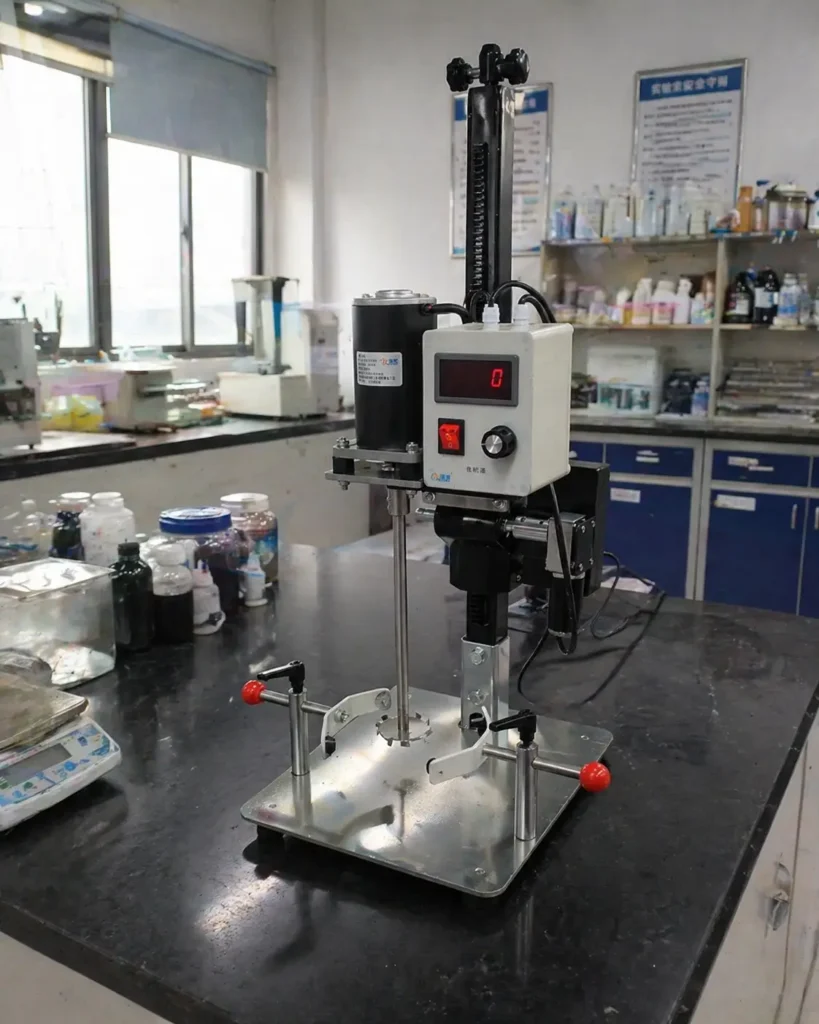
Vacuum Lab Dispersers are transforming the way cosmetic chemists and skincare formulators create their products. If you have ever spent hours carefully measuring, heating, and blending a new lotion formulation, only to find the final product riddled with tiny, stubborn air bubbles, you know exactly how frustrating that can be.
Those trapped pockets of air don’t just make a cream look unappealing; they actually compromise the stability, shelf life, and texture of the entire batch. Fortunately, the formulation industry has a reliable workaround. Let’s dive into why utilizing specialized mixing equipment under a vacuum environment is the absolute game-changer you’ve been searching for.
Table of Contents

The Real Cost of Trapped Air in Skincare
Air bubbles are the silent enemies of high-quality cosmetics. When you mix ingredients at high speeds using standard equipment, you are inevitably whipping air directly into the emulsion.
Why is this a big deal? First, oxygen promotes oxidation. If your formulation includes active ingredients like Vitamin C, retinol, or natural botanical oils, the trapped air will degrade these sensitive components much faster, drastically reducing the product’s shelf life.
Secondly, trapped air affects the specific gravity of the cream. This means that when you go to fill your jars or bottles, the volume will be inconsistent. A container might look full today, but after a few weeks, as the bubbles slowly rise and pop, the product settles, leaving your customer with a half-empty jar.
Why Vacuum Lab Dispersers Are the Ultimate Solution
This is exactly where Vacuum Lab Dispersers step in to save the day. Unlike traditional open-air mixers, these sophisticated machines operate in a fully sealed environment where the air is actively pulled out during the mixing process.
By creating a negative pressure zone, these machines prevent air from ever entering the product matrix in the first place. As the high-shear blades rapidly combine the water and oil phases, any existing micro-bubbles are forced to the surface and instantly evacuated.
The result? A luxuriously smooth, dense, and glossy cream that feels incredibly high-end on the skin. It simply cannot be replicated with standard, open-air mixing methods.
The Science Behind Vacuum Lab Dispersers
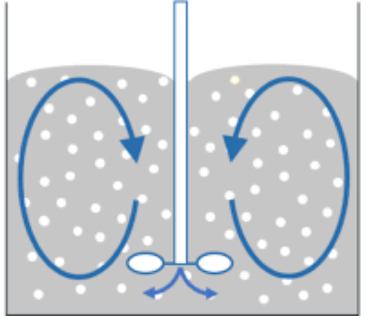
To really appreciate these machines, you have to look at the mechanics. Vacuum Lab Dispersers typically feature a high-speed rotor/stator homogenizer alongside a slower, anchor-style scraper blade.
While the high-shear head violently breaks down particle sizes to create a stable emulsion, the scraper ensures the highly viscous cream doesn’t just stick to the walls of the vessel. Meanwhile, the vacuum pump maintains a steady negative pressure. This combination of shearing, scraping, and pressure manipulation creates the perfect environment for flawless homogeny.
How to Choose the Right Vacuum Lab Dispersers for Your Lab
Not all lab equipment is created equal, and upgrading your R&D lab requires careful consideration. You need a machine that can scale with your production needs while handling the specific viscosities of your recipes.
If you are currently looking to upgrade your laboratory setup, it is highly recommended to explore reliable options on the market. You can browse a wide variety of advanced mixing and homogenizing equipment by checking out this comprehensive products catalog.
Furthermore, sizing your equipment correctly is crucial. Buying a machine that is too large for your batch sizes means wasted product, while a machine that is too small limits your output. To navigate this tricky process, take a look at this detailed guide to selecting medium and small dispersers, which offers fantastic insights into matching machine specs with your daily operational goals.
Best Practices When Using Vacuum Lab Dispersers
To get the most out of your Vacuum Lab Dispersers, follow these simple but effective rules:
- De-aerate gradually: Don’t pull a maximum vacuum instantly. Gradually increase the negative pressure to prevent sudden boiling or splashing inside the vessel.
- Mind your temperatures: Vacuum environments lower the boiling point of liquids. Be cautious when mixing volatile ingredients or hot water phases to avoid unwanted evaporation.
- Regular maintenance: The vacuum seals and O-rings are the most critical components. Keep them clean and lubricated to ensure your Vacuum Lab Dispersers always maintain a perfect seal.
Frequently Asked Questions (FAQ)
1. Can Vacuum Lab Dispersers handle highly viscous materials like body butters?
Yes, absolutely! In fact, highly viscous materials are exactly what these machines are designed for. Standard mixers struggle to fold thick butters without trapping massive air pockets, but a vacuum setup ensures even the thickest formulations come out perfectly smooth.
2. Do Vacuum Lab Dispersers require a lot of training to operate?
While there is a learning curve regarding pressure control and temperature management under a vacuum, most modern Vacuum Lab Dispersers feature intuitive digital control panels. With a basic understanding of emulsion chemistry, a lab technician can master the equipment very quickly.
3. Are these machines strictly for cosmetics?
Not at all. While they are a staple in the cosmetic industry, they are also heavily utilized in pharmaceuticals for creating ointments, and in the food industry for crafting smooth sauces and dressings.
References & Further Reading
- To understand more about the chemical physics of combining oil and water, read this detailed breakdown on Emulsion Science on Wikipedia.
- Explore the effects of oxygen on formulation stability via the ScienceDirect index on Lipid Oxidation.