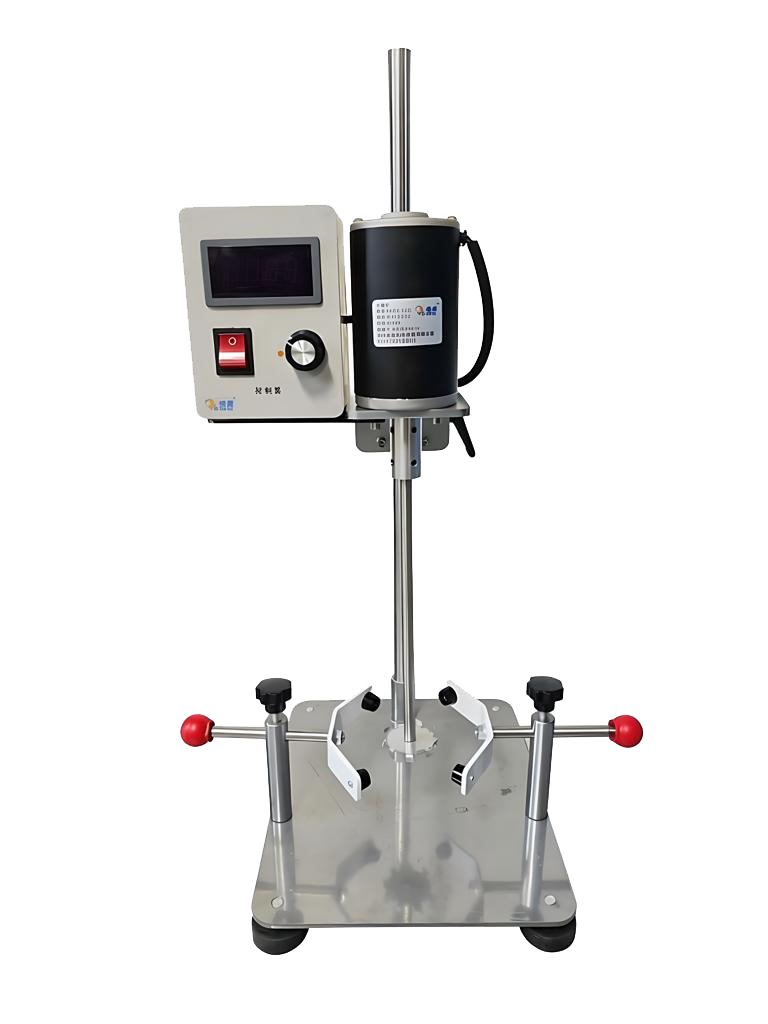
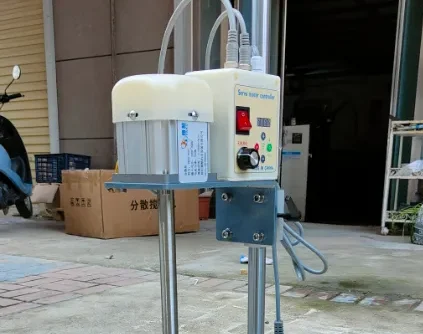
Buying a high-speed disperser from China can give laboratory and industrial buyers access to a broad range of standard and configurable machines. However, the lowest quoted price is not automatically the best value. A disperser only becomes a good purchase when its motor, speed range, shaft, dispersing disc, lift and vessel suit the material and working conditions.
Instead of comparing suppliers by country of origin or headline price alone, buyers should compare the complete technical scope, inspection evidence, shipping basis and after-sales communication. This guide explains the most important points to verify before placing an order.
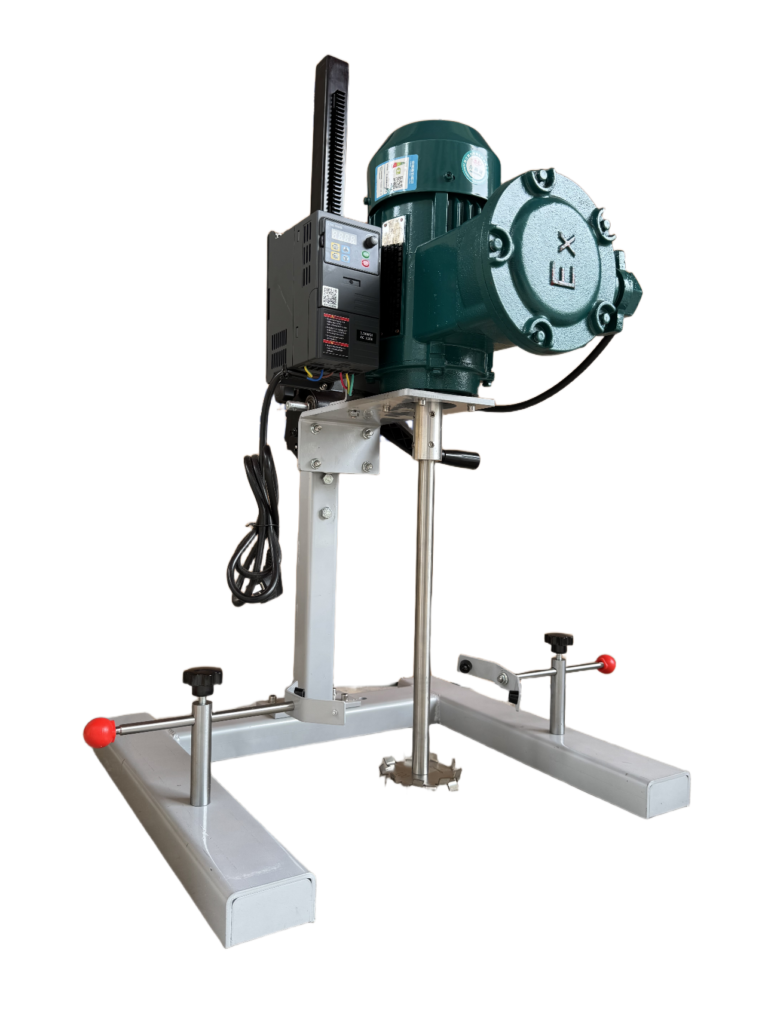
The Short Answer
A useful quotation should answer three questions:
- Is the machine suitable for the material, batch size and process target?
- Exactly what equipment, tools, accessories and documents are included?
- What will the complete delivered and installed cost be?
1. Start With the Material, Not the Machine
A responsible supplier cannot select a disperser from batch volume alone. Two materials processed at the same volume can place very different loads on the motor because of viscosity, density, solids content and how the formulation changes during mixing.
Before asking for a model, prepare the following information:
- Material name and intended application
- Approximate viscosity and density
- Solid content or powder-to-liquid ratio
- Minimum and maximum working volume
- Vessel inside diameter and height
- Required result, such as powder wet-out, pigment dispersion, mixing or de-aeration
- Expected run time and batches per day
For an initial international enquiry, YAKU normally recommends sending a short video showing how the material flows, stretches or responds to stirring. Cross-border sample shipping can be expensive or restricted, so video, viscosity, batch and vessel information provide a more practical starting point.
2. Check the Complete Technical Configuration
Product photos can look similar even when the specifications and intended duties are different. Ask the supplier to confirm each of the following items in writing.
Motor and Speed Control
Confirm rated motor power, speed range, control method, voltage, phase and frequency. Maximum RPM is not enough to predict the result because disc diameter, material load and vessel geometry also affect dispersion.
Shaft and Dispersing Disc
Request the shaft length, shaft diameter, dispersing-disc type, disc diameter and wetted-part material. These dimensions should be considered together with the vessel and working volume. Buyers can also review YAKU’s guide to dispersing discs and replacement parts.
Lift and Vessel Arrangement
Manual, electric and hydraulic lifts affect loading, cleaning and vessel changes. Confirm the usable lifting stroke and whether the vessel, fixture or clamp is included in the quotation.
Safety and Installation Conditions
For solvent-based materials or a classified hazardous area, do not rely on the word “explosion-proof” alone. Provide the required hazardous-area classification, protection marking, gas or dust group, temperature class and local electrical requirements. The motor, controls and related components should be reviewed as a complete configuration.
3. Compare the Full Quotation, Not Only the Machine Price
A lower quotation may exclude working tools, accessories, inspection documents or export packing included by another supplier. Use a simple comparison table before making a decision.
| Item to Compare | What Should Be Confirmed |
|---|---|
| Machine | Model, motor, speed control, lift type and stroke |
| Working tools | Shaft and disc sizes, quantities and contact materials |
| Vessel and fixture | Whether included and the compatible dimensions |
| Electrical supply | Voltage, phase, frequency, wiring and plug requirements |
| Inspection | Photos, operating video and nameplate information |
| Documents | Manuals, supplied certificates, packing list and electrical information |
| Shipping | Incoterm, packing dimensions, gross weight and destination |
| Support | Communication channel and agreed after-sales scope |
The total delivered cost may also include freight, insurance, import duty, local taxes, port charges, customs brokerage, inland delivery and local electrical or installation work. These costs vary by destination and should not be estimated from the machine price alone.
4. Make Sure You Are Comparing the Right Machine Type
Not every mixing problem should be assigned to a standard high-speed disperser. The material behavior and required result determine which product family should be reviewed first.
Laboratory Formulation and Sample Preparation
For formulation development, quality control and compatible small-volume testing, begin with laboratory high-speed dispersers. YAKU uses an approximate 1–10 L working reference for this category, but the actual usable volume depends on viscosity, vessel dimensions, motor power and disc diameter.
Pilot and Small-Batch Dispersion
For larger laboratory or small-production work, compare the available high-speed disperser configurations. Motor, disc, shaft, lift and vessel should be selected as one working system rather than as separate specifications.
Processes That Require Air Removal
If entrained air or enclosed observation is an important part of the process, review whether a vacuum disperser is more suitable than an open machine.
Materials Requiring More Than One Mixing Action
Some higher-viscosity applications may need combined agitation rather than one high-speed tool. In these cases, compare the process with available multi-shaft mixer options.
Important: Published Capacity Is a Reference
A stated batch capacity is not a guarantee for every formulation. Confirm the usable volume with the real viscosity, material density, vessel geometry, dispersing tool and target result.
5. Verify the Finished Machine Before Shipment
Before paying the final balance or approving dispatch, compare the completed machine with the confirmed order scope. Depending on the project, useful inspection evidence may include:
- Overall photos from several angles
- Motor and machine nameplate photos
- A video showing the lift and speed-control functions
- Shaft, disc, vessel and accessory measurements
- Photos of the included tools, spare parts and documents
- Export packing photos and final package dimensions
YAKU can provide project photos and video updates according to the agreed order scope. The buyer should confirm in advance which inspection evidence and documents are required.
6. Warning Signs When Comparing Disperser Suppliers
- Capacity is quoted without conditions: viscosity, vessel size and disc diameter are not discussed.
- Maximum RPM is treated as the only performance measure: motor load and material circulation are ignored.
- One machine is promised for every material: the supplier does not ask about process behavior or the required result.
- Explosion protection is described vaguely: no area classification, protection marking or required documentation is confirmed.
- The quotation scope is unclear: accessories, packing, inspection evidence or trade terms are missing.
- Payment is requested before technical confirmation: important specifications remain unresolved.
Frequently Asked Questions
Are high-speed dispersers from China always cheaper?
No. Machine price is only one part of the comparison. Configuration, accessories, packing, freight, import charges and future support all affect the total cost.
Can a supplier select a machine from a material video?
A video is useful for an initial assessment when combined with viscosity, batch volume, vessel dimensions and the expected result. It does not replace complete technical information or final engineering confirmation.
Do I need to ship a material sample internationally?
YAKU normally recommends starting with video and process data because international sample shipping can be expensive or restricted. If additional evaluation is needed, the practical next step can be discussed for the specific project.
Should I choose the machine with the highest motor power?
Not automatically. Motor power must be considered together with material load, disc diameter, operating speed, vessel geometry and intended duty.
Can voltage, shaft, disc, lift and vessel be customized?
These items can be reviewed for customization by YAKU. Feasibility, final specifications and safety requirements must be confirmed for the individual order.
Planning to Buy a High-Speed Disperser from China?
Send YAKU your material video, approximate viscosity, batch volume, vessel dimensions, process target, electrical supply and destination. We can review the application and discuss a suitable equipment family and configuration.