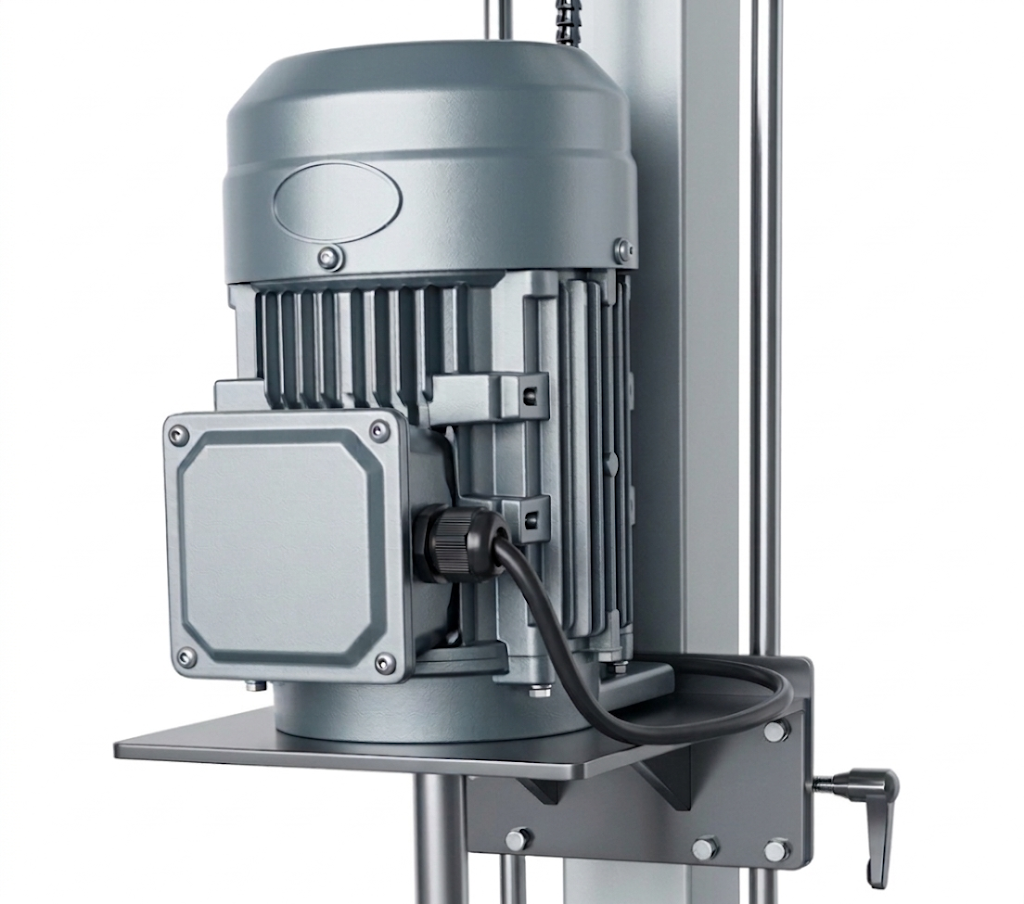
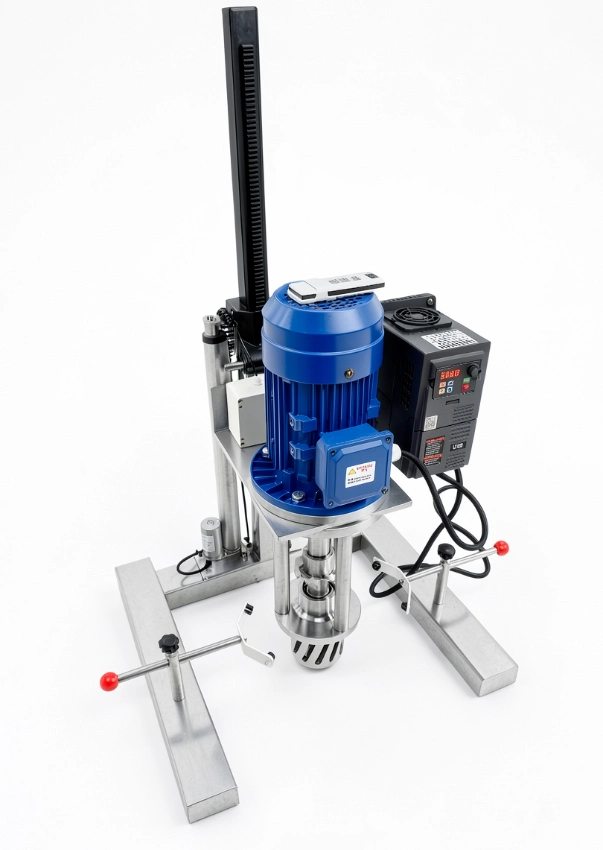
Every R&D engineer working in a cosmetic or chemical laboratory knows the sudden wave of frustration during a routine trial. You have meticulously calculated the exact percentages of rheology modifiers for your new premium liquid detergent formulation. You begin pouring the Carbomer or cellulose powder into the water vessel, flip on your standard mixer, and within seconds, disaster strikes. Instead of a smooth, crystal-clear base, your beaker is filled with hundreds of stubborn, translucent, jelly-like lumps known in the industry as “fish-eyes.”
These agglomerates represent a massive headache for chemical manufacturers. When unhydrated polymer clumps form, they refuse to dissolve easily, often requiring hours of wasteful continuous mixing or forcing you to scrap the entire batch. In large-scale operations, these undispersed gel balls clog inline production filters, stall downstream bottling lines, and waste thousands of dollars in high-value active ingredients. However, this common bottleneck is rarely a flaw in your chemical recipe. Instead, it is an issue with your mixing machinery’s shear profile. Utilizing a specialized lab high-speed disperser is the fastest and most efficient way to solve this thickening challenge at the source.
The Micro-Science Behind the Formation of “Fish-Eyes”
To permanently solve the problem of fish-eyes in rheology modifiers like Carbomer, Xanthan gum, and Hydroxyethyl Cellulose (HEC), we must look closely at their hydration dynamics. These powders are highly hydrophilic, meaning they possess an extraordinary affinity for water. The second a dry cluster of powder hits the liquid surface, the outermost layer hydrates almost instantaneously. This rapid swelling creates a dense, sticky, waterproof gel membrane surrounding a dry core of trapped air and unhydrated powder particles.
Traditional overhead stirrers or laboratory magnetic mixers are fundamentally incapable of breaking down this gel membrane. Standard stirrers are built exclusively for “bulk flow”—they move the entire volume of liquid around the beaker in a slow, uniform circle. While bulk flow is excellent for blending soluble liquids like surfactants, it completely lacks the localized high shear force required to physically tear open the resilient outer skin of a polymer fish-eye. Without concentrated mechanical force, the internal dry powder remains shielded, leaving you with an uneven, under-performing formulation.
How a Lab High-Speed Disperser Reinvents Liquid Detergent Formulation
This is where a premium lab high-speed disperser steps in to completely transform your R&D workflow. Unlike standard low-shear blending blades, a high-speed dispersing machine relies on extreme kinetic energy and specialized geometry to break molecular bonds and force uniform hydration.
1. The Pure Cutting Power of the Cowles Disc
At the center of this process is the specialized sawtooth dispersing blade, commonly known as a Cowles disc. When driven by a high-performance motor, the teeth of the disc rotate at high peripheral velocities, typically ranging between 15 and 25 meters per second. This rapid movement creates two distinct types of shear:
- Mechanical Shear: Direct impact where the physical teeth of the blade collide with the polymer agglomerates, slicing them apart.
- Hydraulic Shear: Intense differential velocities within the fluid layers right at the edge of the blade, ripping the hydrated gel shells apart through fluid friction alone.
You can explore the mechanics behind these interchangeable components by viewing our dedicated dispersing discs parts catalog.
2. Unyielding High Torque and Precision Speed Control
As polymers dissolve and hydrate, the viscosity of your liquid detergent formulation shifts dramatically, transforming from a watery fluid into a thick, sluggish gel. Generic lab mixers often bog down, overheat, or experience severe RPM drops under these heavy conditions. A professional-grade lab high-speed disperser from Yaku incorporates a continuous-duty motor paired with advanced variable-frequency speed control. This engineering allows the machine to maintain a constant torque profile across all speed settings, ensuring the blade never slows down even as the fluid thickens.
3. Achieving the Perfect “Doughnut Effect”
True dispersing efficiency relies heavily on proper vessel flow dynamics. When a Yaku lab high-speed disperser is correctly positioned within a batch, it generates a highly sought-after flow pattern known as the “doughnut effect.” The fluid is pulled downward into the center of the spinning blade, driven outward across the sawtooth edge, and then circulated back up along the sides of the beaker. This creates a deep, stable vortex resembling a doughnut. This vortex instantly draws floating dry powders directly into the high-shear zone before they have a chance to clump on the liquid surface.
A Step-by-Step Laboratory Guide to Adding Thickeners Without Clumping
Even with the most advanced laboratory equipment, proper raw material introduction techniques are vital to achieving a flawless batch. Follow this step-by-step methodology to ensure seamless polymer integration during your next trial:
- Establish the Initial Vortex: Fill your beaker with your primary solvent (usually water). Lower your lab high-speed disperser into the fluid, offsetting it slightly from the center to minimize air entrapment. Turn on the mixer and gradually adjust the speed until you achieve a smooth, controlled vortex.
- Sift at the Vortex Edge: Do not dump your thickener powder all at once. Slowly sift or sprinkle the dry powder directly onto the sloping edge of the liquid vortex. This ensures each individual grain of powder is wetted separately before contacting other dry particles.
- Ramp Up the RPM: Once all the dry powder has been successfully drawn into the batch, increase the speed of your lab high-speed disperser. Maintain a high tip speed to generate the intense localized shear required to destroy any micro-agglomerates.
- Neutralize and Adjust: For polymers that require pH adjustment to reach full viscosity (such as Carbomer), lower the mixer speed to a gentle blending rate before adding your neutralizing agent (like Triethanolamine) to avoid introducing unwanted micro-air bubbles into the final thick gel.
Tired of dealing with ruinous fish-eyes and wasted laboratory batches? Discover how a premium engineered Yaku lab high-speed disperser can streamline your daily R&D processes, save costly ingredients, and scale seamlessly to mass manufacturing. Explore our comprehensive lineup of industrial and laboratory solutions on our products page, or consult with a Yaku mixing expert today.
Frequently Asked Questions (FAQ)
1. Why can’t I just mix Carbomer longer with a standard overhead stirrer to get rid of fish-eyes?
2. What is the optimal blade-to-vessel ratio when using a lab high-speed disperser?
3. Can a lab high-speed disperser handle high-capacity production designs?
- Lubrizol Advanced Materials. (2021). Dispensing, Hydrating and Neutralizing Carbopol Polymers. Technical Bulletin. Available at: https://www.lubrizol.com
- Handbook of Industrial Mixing: Science and Practice. (2004). High Shear Mixing Mechanics and Blade Design. Wiley-Interscience. Available at: https://www.sciencedirect.com
- American Cleaning Institute (ACI). Liquid Detergent Formulation Principles and Rheology Control. Industry Insights. Available at: https://www.cleaninginstitute.org